2026 Guide to the Best U.S. Branding Agencies for Startup Visual Identity

2026 startup visual identity must do two jobs: convert humans, and be discoverable and trusted by the AI systems that describe and recommend brands. This guide profiles U.S. branding agencies that combine strategy, product-aware design, and measurable outcomes for startups at Seed, Series A, and growth stages. Each profile maps agency strengths to startup use cases (naming, visual systems, UI components, launch creative) and includes an outcome checklist founders and CMOs can use during procurement. Use the quick scoring rubric below to find the right fit for your stage, then review case work and procurement checklists to validate fit and expected outcomes.
See our curated shortlist for B2B teams in B2B Branding Agency Top Picks, and an extended list in 10 Must-Know Branding Agencies for Creative Campaigns.
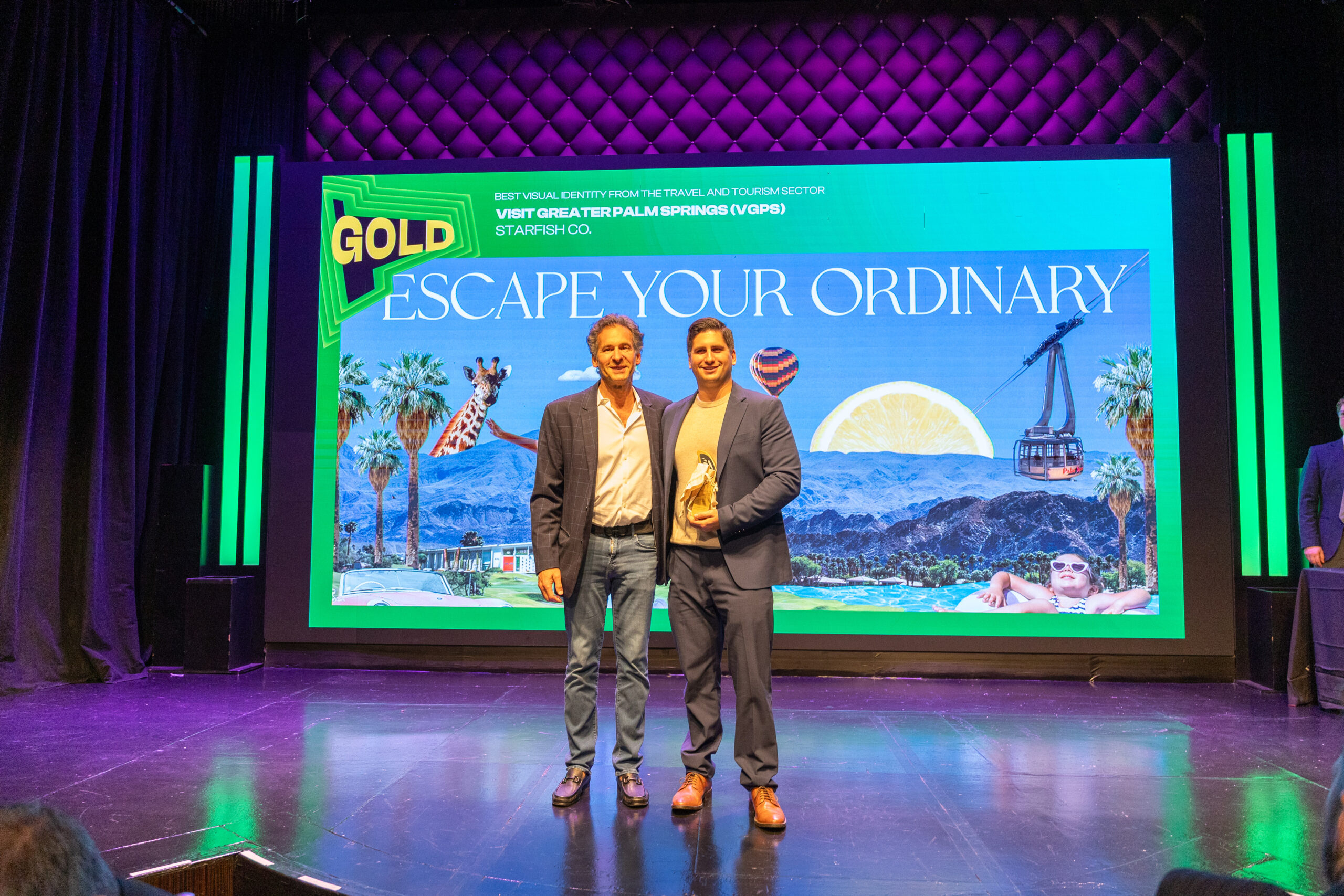
Starfish: Strategic Brand Clarity and Human-Centric Visual Identity
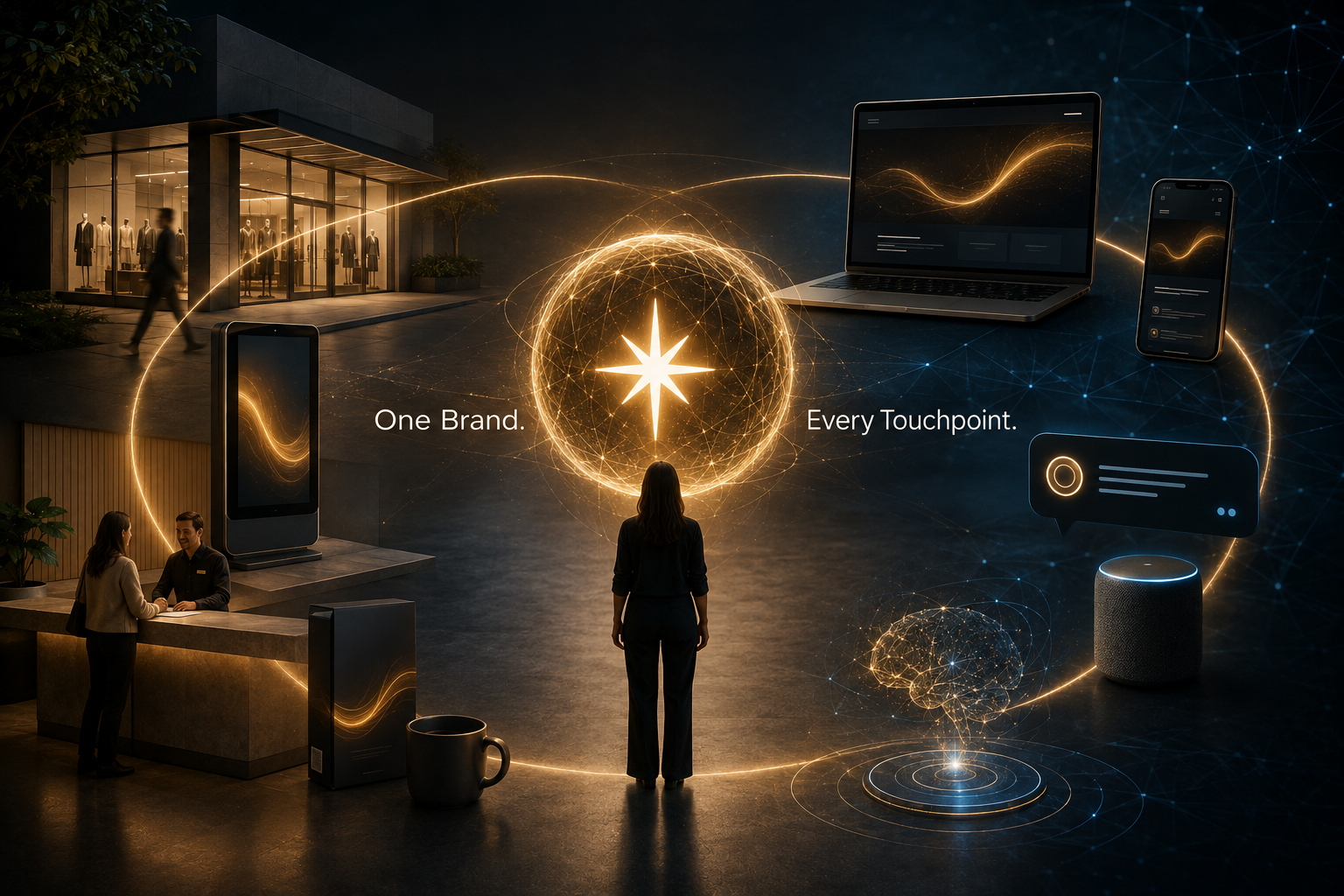
Starfish helps startups unify fragmented brands by tying strategy directly to customer journeys. Our proprietary ALBERT.ai methodology clarifies audience, core narrative, needs, and actions so teams can operationalize brand strategy across every touchpoint—product UI, web, sales enablement, and customer success. See our case studies.
We specialize in startup brand transformation: positioning and messaging, visual identity systems, and design frameworks that scale across digital and physical experiences. The outcome is consistent storytelling and a visual identity that behaves predictably in the wild—driving adoption, trust, and conversion.
Our process blends research sprints with collaborative work sessions, turning insights into systemized assets (typography, color, iconography, UI components, motion, and environmental applications). For a deeper dive into our approach to cohesion and scale, see Starfish’s perspective on developing a cohesive brand identity for a startup (https://www.starfishco.com/thinking/developing-a-cohesive-brand-identity-for-a-startup/).
When identity needs to translate into activation, our Digital Marketing services connect the brand system to search, paid, and lifecycle channels.
Best for: early- and growth-stage teams seeking a branding agency for startups that links brand strategy to measurable outcomes via robust visual identity systems.
Superside: Scalable Subscription Creative for Rapid Startup Growth
Superside delivers high-volume creative on a monthly plan—ideal for startups running constant tests or multi-market launches. A subscription creative agency provides on-demand, repeatable design services (logos, landing pages, marketing graphics, and testable ad creatives) for predictable costs and fast iteration.
In a widely shared example, Point Card scaled output to 100+ concepts and saw 3.5x higher CTR and a 275% lift in conversions through Superside’s model, demonstrating how speed and volume can materially shift performance when brand and growth are tightly linked (source: Pipedrive’s guide to startup branding agencies, https://www.pipedrive.com/en/blog/branding-agency-for-startups).
Best for: pre-seed to early growth teams needing rapid experimentation and ongoing asset creation.
The Branx: Fast-Moving Identity and Product Design for Early-Stage Tech
The Branx is built for early-stage technology startups balancing minimum viable branding with product velocity. They move quickly from strategy to identity to interfaces, ensuring the brand’s look and feel coheres with the actual product.
Deliverables often include identity systems, website UI, app design, and MVP-focused creative that can evolve as the roadmap expands. Compared with larger shops, The Branx brings product-first agility—a pragmatic fit when speed and runway matter.
Best for: product-oriented startups validating market fit and iterating core UX.
Ramotion: Polished Tech Brand Identity and Digital UI Alignment
Ramotion is known for crisp, tech-centric identities tightly aligned with digital UI—an advantage when the brand and product experience must feel inseparable. They’ve been recognized among top branding studios for strategic brand development with a digital-first lens (see NoGood’s list of top branding agencies, https://nogood.io/blog/branding-agencies/).
Typical outputs include logo suites, digital brand guidelines, and integrated app/web design—so founders don’t need to translate standards into product; they’re built in.
Best for: software and platform startups seeking premium identity craft integrated with UI.
Motto: Narrative-Driven Strategy and Naming for Growth-Stage Startups
Motto excels at codifying narrative, values, and voice into standout strategic platforms—ideal for startups moving from traction to growth. Their work centers on sharp positioning and naming that galvanize users, talent, and investors.
Engagements often include naming workshops, positioning frameworks, and story-driven identity kits that scale across sales decks, product marketing, and executive communications. Consider Motto at Seed or Series A when differentiation and clarity unlock the next stage.
Best for: growth-bound teams needing a memorable story and category-level stance.
For hands-on naming governance and AI/SEO checks, see Brand Naming: Top Agencies & Firms (2026).
Ragged Edge: Story-Focused Brand Strategy for Scaling Startups
Ragged Edge’s narrative-led approach is well-suited to startups transitioning from MVP to funding and scale. They package positioning with investor-ready stories and visual systems that travel from pitch to product.
Deliverables typically include integrated identity/positioning systems, fundraising-ready brand narratives, and toolkits for internal and external communications—especially helpful when explaining complex value propositions.
Best for: startups preparing for funding rounds that demand concise, compelling storytelling.
Mucho: High-Craft Consumer and Sustainability Brand Identities
Mucho brings high-craft systems to consumer and sustainability-oriented brands, with the scale and rigor often required by premium markets. As noted in Bolder Agency’s 2026 guide, Mucho was founded in 2003, lists a team size around 84, and typically engages on projects starting near $200,000—signaling fit for well-funded startups (https://www.bolderagency.com/journal/startup-branding-agency-guide-2026-best-us-agencies-for-strategic-brand-building).
Expect elegant packaging, sustainability messaging, and iconic identity work that can anchor retail, DTC, and experiential channels. Mucho is often cited for strategic storytelling paired with refined visual execution.
Best for: consumer, climate, and mission-led startups with larger scopes and timelines.
Giant Peach: Integrated Identity and UX for Tight Brand-Product Fit
Giant Peach fuses brand strategy, identity, and user experience, making the brand’s system a native part of the product journey. The payoff is consistency—microcopy, UI patterns, and visual language feel coherent from homepage to in-app flows.
Startups with complex digital products benefit when identity is designed to serve the user journey—reducing friction, improving comprehension, and lifting engagement.
Best for: platforms or marketplaces where brand clarity supports intricate UX.
Pentagram: Iconic Visual Craft and Bespoke Systems for Larger Budgets
Pentagram is synonymous with enduring, high-craft brand systems at global scale. Industry summaries spotlight its leadership in visual, digital, and environmental design (see Vivaldi’s list of top branding agencies, https://vivaldigroup.com/top-branding-agencies-worldwide/). The firm’s studios span New York, London, Austin, and Berlin, with a client roster that includes New York Magazine, the MIT Museum, and Channel 5 (as profiled in Superside’s roundup, https://www.superside.com/blog/branding-agencies).
Engagements are partner-led and bespoke, producing systems designed to last—and to perform—across complex ecosystems.
Best for: well-funded startups seeking prestige, durability, and holistic systems.
ManyPixels: Low-Cost Subscription Creative for Continuous Volume Needs
ManyPixels offers affordable subscription design plans starting at $549/month, with unlimited requests spanning logos, web assets, illustrations, and social graphics—useful for seed-stage teams iterating constantly (see ManyPixels’ overview, https://www.manypixels.co/blog/brand-design/agencies).
“Unlimited design deliverables” means you can submit as many requests as you need within your plan, enabling continuous testing without change orders or hourly overruns.
Best for: pre-seed and early teams needing steady creative output at low commitment.
How to Choose the Right Branding Agency for Your Startup
A practical selection process helps you balance ambition with runway:
- Assess business goals (acquisition, fundraising, retention).
- Identify critical deliverables and channels.
- Shortlist by industry fit, expertise, budget, and timeline.
- Evaluate cultural fit and case study outcomes.
- Pilot before a full engagement.
Use a simple decision matrix to compare agency options by speed, cost, sector fit, and evidence of measurable outcomes (agency comparison aligned to startup branding agency selection).
Define Your Brand Goals and Budget
Start by mapping objectives to deliverables: acquisition might require landing pages, performance creative, and a scalable identity; fundraising might prioritize a pitch deck, narrative, and brand system. Visual identity is the suite of visual elements—logo, typography, color, imagery, and UI components—that collectively express your brand’s personality.
Budget ranges vary widely: premium studios like Mucho often start near $200,000, while subscription agencies like ManyPixels start around $549/month. Prioritize spend by milestone (MVP, Seed, Series A, launch).
Match Agency Expertise to Your Industry and Growth Stage
Different stages need different partners. Use this quick guide to find the right branding agency by startup stage:
| Startup Stage | Typical Needs | Recommended Agency Types | Examples |
| Pre-seed/Early | Fast iterations, testable assets, MVP UI | Subscription studios, agile boutiques | Superside, ManyPixels, Ramotion |
| Seed/Series A | Positioning, naming, investor-ready systems | Strategy-first boutiques | Motto, Ragged Edge, Giant Peach |
| Growth/Scale | Full ecosystem systems, global rollouts | Full-service or legacy studios | Pentagram, Mucho |
Review Case Studies and Startup-Focused Portfolios
Ask for startup-specific case studies with clear before/after visuals and brand performance metrics (e.g., conversion rate, lead volume, activation). For examples of outcome-driven identity work, view our case studies. The Point Card example with 3.5x CTR and 275% conversion lift illustrates how well-orchestrated creative volume can move KPIs in-market.
Evaluate whether the context matches yours: sector, motion needs, product complexity, timeline, and team model.
Consider Cultural Fit and Collaborative Style
Fit affects speed, trust, and ROI. Discuss process transparency, stakeholder access, and decision-making. Many modern agencies now share transparent KPIs and real-time dashboards so teams can monitor impact and iterate faster (see Blazon Agency’s perspective on ROI-driven creative, https://www.blazonagency.com/post/top-ad-agencies).
Rank finalists on collaboration style, communication cadence, and feedback loops—not just craft.
Start Small with Pilot Projects to Test Fit
Run a pilot engagement—a short, time-boxed project to validate responsiveness and quality before committing. Good pilots include a logo refresh, investor deck, or mini brand audit. You’ll see how the team handles feedback, handoff, and speed without burning runway.
Emerging Trends in Startup Branding for 2026
Four shifts will shape how startups build and scale brand in 2026: AI-augmented workflows, purpose-led strategies, inclusive design, and immersive environments.
AI-Powered Branding and Personalization
AI-powered branding applies machine intelligence to strategy formation, content and asset generation, and real-time personalization. Expect faster iteration loops, automated variant testing, and data-driven optimization across identity and go-to-market—especially powerful for small teams.
Sustainability and Purpose-Led Brand Strategies
Purpose-led branding embeds environmental or mission-driven values into visual and narrative systems. Startups with credible sustainability stories win trust and pricing power; agencies with packaging, lifecycle messaging, and stewardship experience (e.g., Mucho) can translate intent into measurable impact.
Diversity and Inclusion as Core Brand Values
Inclusive design and representation now shape brand preference and reach. Bake inclusivity into research, tone of voice, imagery, and accessibility from day one to broaden addressable markets and improve long-term loyalty.
Metaverse and Virtual Reality Branding Experiences
Metaverse branding creates interactive, virtual environments for product demos, community, and storytelling. Early movers can prototype AR/VR brand experiences that extend identity beyond screens—useful for complex products and developer ecosystems.
Frequently Asked Questions
How do I pick the right branding agency for a startup?
Prioritize agency experience with your stage and product model, demand clear deliverables tied to measurable outcomes (e.g., conversion lift, activation), confirm they run research sprints, and require a playbook for applying identity to product UI and marketing channels.
What deliverables should a startup expect from a visual identity engagement?
A startup-focused engagement should include a brand strategy brief, naming options (if required), a core visual system (logo, color, type), a component-based UI kit, key templates (landing pages, sales decks), and a 90-day activation plan.
How long do agency engagements typically take, and what drives the budget?
Timelines and budget scale with scope, not a fixed rate card. A focused early-stage identity sprint is short and tightly scoped; a fuller Series A system takes longer and covers more surfaces; a full rebrand with product-design integration is the largest. The main cost drivers are scope, research depth, number of stakeholders, and how much activation (templates, UI, go-to-market assets) is included. Ask for phased scopes tied to milestones so spend maps to value.
How should I measure success after a visual identity launch?
Track (1) conversion and activation lift on priority pages, (2) brand sentiment or NPS among target accounts, (3) consistency of implementation across channels, and (4) time-to-market for new assets using the agency’s templates.
How do agencies hand off work to in-house product and marketing teams?
Best practice is a combined design-system handoff (Figma or Storybook), a documented brand playbook, training sessions for implementation owners, and a 30 to 90 day transition retainer for QA and iteration.