Consumers Aren’t Rejecting Your AI. They’re Rejecting Your Emptiness.

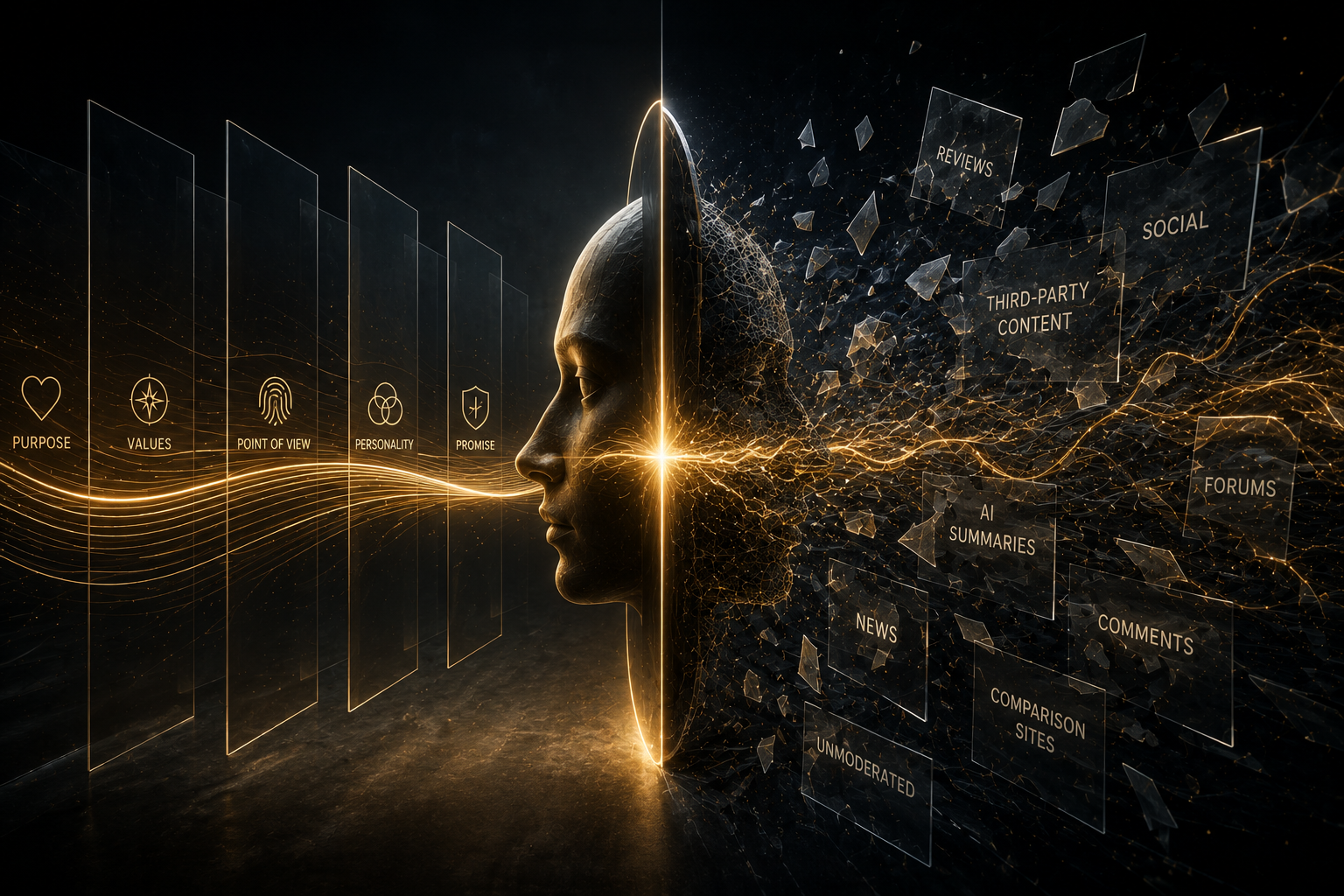
Everyone’s telling you to hide the AI, disclose the AI, add a human touch. They’ve misread the backlash. Consumers aren’t punishing the machine. They’re punishing the void it exposed.
The AI content backlash has become a measurable business condition, and the data is brutal. When Coca-Cola released an AI-generated remake of its “Holidays Are Coming” spot in late 2025, audiences revolted, branding it soulless within days. It wasn’t a one-off. The IAB found that while 82% of ad executives believe Gen Z feels good about AI-generated ads, only 45% of Gen Z actually does, a 37-point gap between what marketers assume and what audiences feel. Animoto’s 2026 report found most consumers can now spot AI video on sight, and a meaningful share say it lowers their trust in the brand. The tell of the moment: brands are reportedly hiring people to film behind-the-scenes proof that their ads were made by humans. So the industry has reached a tidy consensus: hide the AI, disclose it, add a human touch, film the handmade proof. All of which fights the symptom and misreads the disease.
The backlash isn’t about AI. It’s about nothing.
Consumers aren’t, at bottom, rejecting artificial intelligence. They’re rejecting emptiness, and AI is simply the most efficient machine for mass-producing it ever built. Look at what actually gets punished. It’s never “a machine was involved”; plenty of brands use AI heavily and pay no penalty, because the output still feels unmistakably like them. What gets torched is content that stands for nothing, generic, interchangeable, saying what anyone in the category could say. “AI slop” is the popular name, and everyone assumes the operative word is AI. The operative word is slop. Brands produced forgettable, meaningless work long before a model could write a headline; AI just changed the volume and the visibility. Coca-Cola’s spot didn’t fail because a machine rendered the pixels. It failed because when you automate a beloved emotional asset, there has to be a specific, transferable idea underneath to reproduce, and there wasn’t. The automation didn’t remove the soul. It revealed how little there was to hand off.
Friction was the disguise, and it’s gone
Making content used to be slow and expensive, and that cost was also a disguise. A seven-figure budget, a gifted director, and eight weeks of post can make almost anything look considered, even a brand with no point of view. Money and effort read, from a distance, as meaning. AI strips the tailoring off: when anyone can generate a polished asset in minutes, polish stops signaling anything, because everyone has it. What’s left, once production is no longer proof of care, is the only thing that was ever the point: does this brand mean something specific, or doesn’t it? AI reproduces whatever’s there: feed it a genuine soul and it broadcasts that soul at scale; feed it nothing and it mass-produces the nothing, flawlessly and instantly. Which is why “hide the AI” is exactly backwards. The problem was never visible AI. It’s visible emptiness, and you can’t solve a meaning problem with a disclosure policy.
Authenticity was never about who made it
The whole debate rests on a false axis: human-made versus machine-made, as if authenticity were a production method. It isn’t. Audiences have loved things made by enormous machines and dismissed things lovingly handcrafted. Authenticity is about whether a thing is unmistakably, specifically itself, a point of view distinct enough that you’d know its author with the label torn off. If authenticity were about human hands, the fix would be to use less AI, and Starfish would be telling you to unplug. It isn’t, so we won’t. The fix is a meaning so specific it survives any production method, a brand that feels like itself whether a person wrote it at 2 a.m. or a model generated it in four seconds. Get that right and AI becomes your most powerful expression engine. Skip it and no volume of hidden AI or “we made this ourselves” content will save you, because you’ll just be distributing the same void, faster.
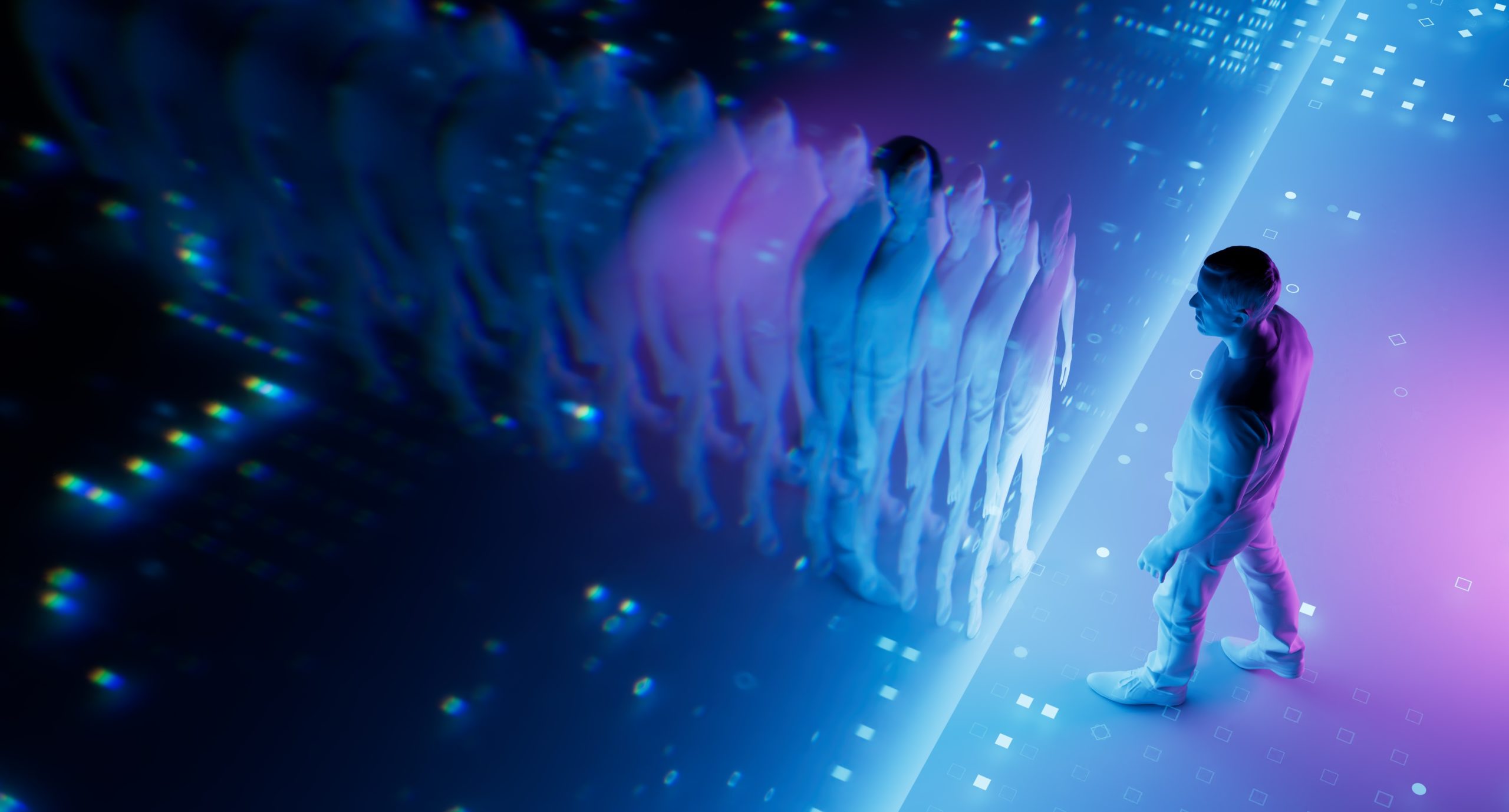
So when audiences recoil, hear the real complaint under the one they voice. They say it feels soulless, machine-made. They mean: this could have come from anyone, so it means nothing coming from you. AI is an X-ray. It sees straight through to whether there’s anything solid underneath, and shows everyone the result. The only defense is to have something there.
Related reading: The Authenticity Uprising and The Gap Between Declared and Implied Brand Soul.
Frequently Asked Questions
Read MoreRead Less
Why are consumers reacting negatively to AI-generated marketing?
They largely aren’t rejecting AI itself. They’re rejecting generic, meaningless content, which AI produces at unprecedented volume. IAB and Animoto (2026) show a widening trust gap when content feels machine-made and empty. The objection is to hollow content, not the technology.
Did the Coca-Cola AI holiday ad fail because it was made by AI?
Not fundamentally. The 2025 remake was criticized as soulless because automating a beloved asset exposed the absence of a specific creative idea underneath, a brand-definition gap, not merely machine involvement.
Does hiding or disclosing AI use fix the authenticity problem?
No. Those tactics treat authenticity as a production-method question. Trust comes from a distinct, recognizable point of view; a disclosure label can’t supply meaning the brand never defined.
How should brands use AI without triggering backlash?
Define a point of view precise enough to stay recognizable at scale, then use AI to express it. AI amplifies a strong identity and exposes an empty one. The safeguard is substance, not restraint.