Is the CMO the Loneliest or Most Consequential Seat at the AI Table?

BCG says the role gets bigger, but tenure data says it’s getting shakier. Both are true, and it’s a choice.
Agentic AI will not decide whether the CMO seat becomes more powerful or gets automated. The person in it will. That’s the direct answer, and it’s worth sitting with before the industry’s two loudest headlines pull you in opposite directions. This week, BCG published a claim that agentic AI will make the CMO’s role more consequential. The same week, Marketing Week reported that 70% of senior marketing moves in the last year went to external hires, a seat that keeps getting emptied and refilled, not one being reinforced. One data point says the chair is getting bigger. The other says the chair keeps changing hands. Read them together and the contradiction resolves into something sharper. Agentic AI doesn’t replace the CMO. It exposes them.
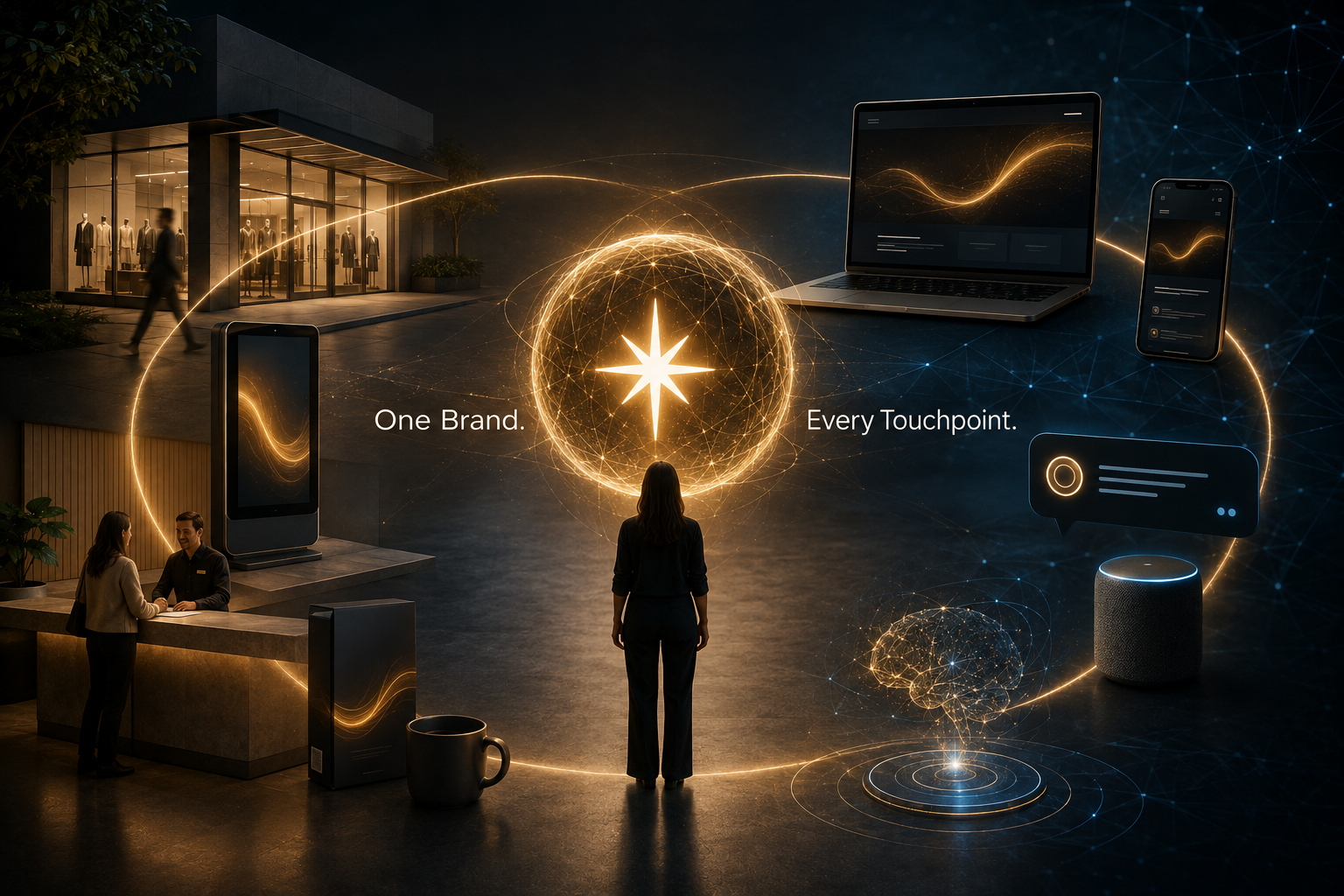
Every brand now operates in two worlds at once, the human world and the AI world, judged by people and by the systems that discover, describe, and recommend on their behalf. That was always true. The CMO who could see the whole of it just used to be optional. Agentic AI is what makes the two-worlds problem impossible to ignore.
The seat with the panoramic view
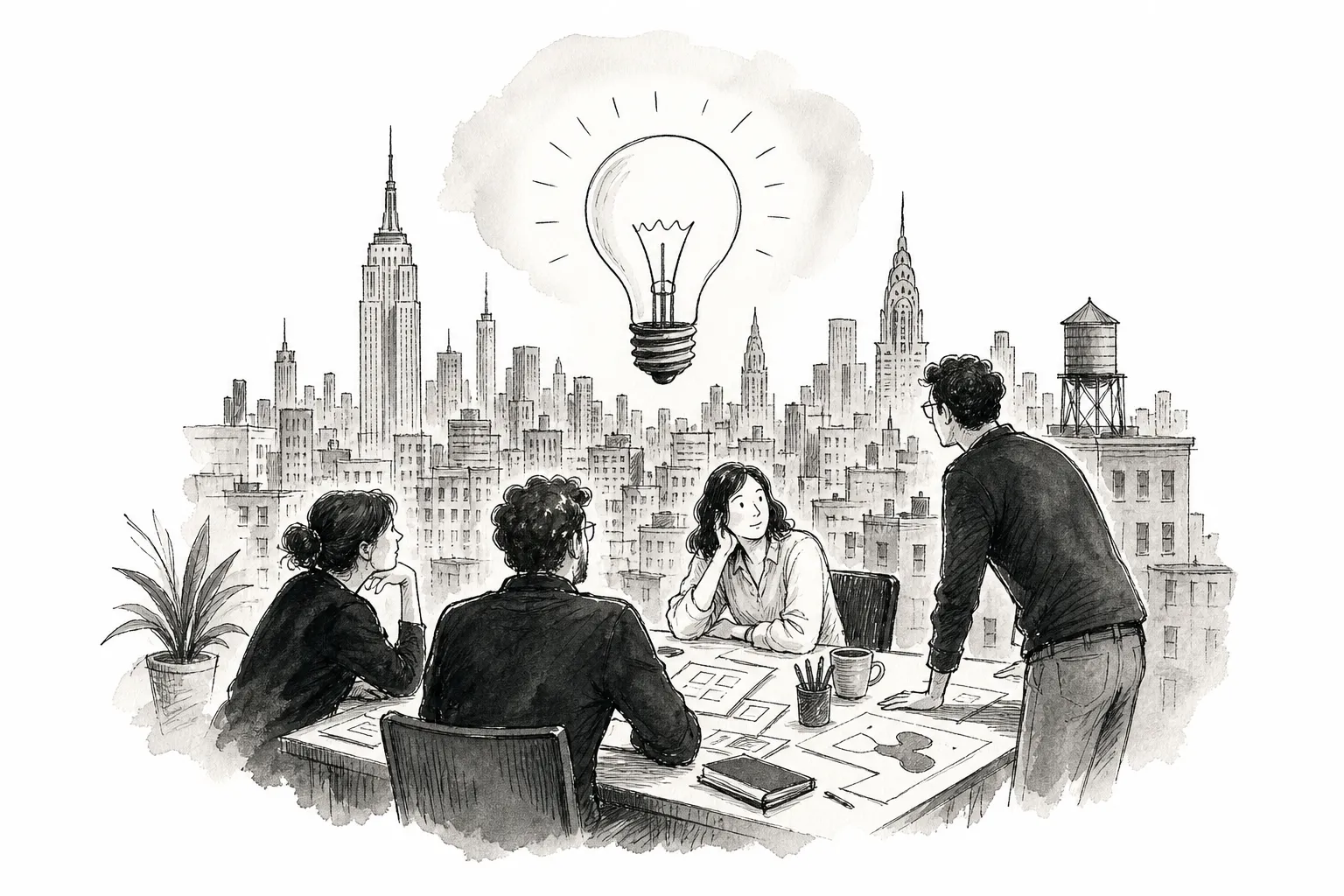
Marketing Week put it well. Marketing has the loneliest seat at the table, but the only one with a panoramic view. Every other function looks out a single window. Finance sees the numbers, product sees the roadmap, sales sees the pipeline. The CMO is the only one positioned to see the whole terrain: the customer, the category, the culture, and now the machines reading all three. That view has always been the job’s real value. It is about to become its only value.
Agentic AI absorbs activity such as campaigns, segmentations, copy variants, media optimization, and reporting decks. That was always the busywork a panoramic seat got dragged into defending, and it’s exactly the part a machine can now do faster and cheaper. What agentic AI cannot absorb is judgment: the call about what the brand should mean, what its soul is, what it should refuse to say, and which trade-off is worth making when the data points two ways at once. That call requires the view from the seat. It is human judgment, not the seat’s paperwork. The CMOs who spend their panoramic vantage defending the chair, by protecting headcount, re-litigating the funnel, or producing more content to prove relevance, are optimizing the part of the job that’s already being automated out from under them. The CMOs who use the view to set the questions the agents run against are doing the one thing left that only a human, sitting exactly there, can do.
The churn is a verdict, not a coincidence. Seventy percent of senior marketing moves going external isn’t a talent shortage. It’s a market losing faith in activity-led marketing leadership. Boards don’t replace CMOs who are asking sharp, unpopular questions about brand meaning. They replace CMOs who’ve become synonymous with output: more campaigns, more channels, more dashboards, none of it adding up to a coherent answer for what the brand stands for and how that guides all of its efforts. When the work is legible mainly as volume, it’s easy to believe an outsider could do the same volume better, or that agentic AI could do it cheaper. The churn number is the market’s honest scorecard on strategy-led versus activity-led leadership, and right now activity-led is losing badly.
This is consistent with a broader pattern the IPA’s Bellwether report (via The Drum) surfaced. Marketing budgets are up again, another 7%, while company confidence is dipping. More money is moving through marketing organizations at the exact moment boards trust marketing leadership less to spend it well. That combination of rising budget and falling confidence is not a paradox. It’s what happens when spending outpaces judgment. Agentic AI will only widen that gap unless someone in the room is making deliberate calls about where the money goes and why, rather than distributing it across every channel the agents say is available.
What judgment actually looks like at scale
Judgment isn’t a vibe or a title. It’s a specific, repeatable act: deciding what the brand means before any agent is allowed to optimize toward it. Agentic systems are extraordinarily good at pursuing an objective. They are incapable of setting one that’s true to who the brand actually is. That’s the CMO’s job now, more precisely than it’s ever been anyone’s job before, because for the first time the objective you hand the machines gets executed at a scale and speed no team could match.
Left undeclared, a brand doesn’t stay itself under AI interpretation. It gets flattened toward the category average, because ambiguity is exactly what an averaging system resolves in the direction of consensus. A brand’s differentiation has to be made explicit, or the AI systems now doing the describing will quietly erase it. This is what sits behind the churn number. It isn’t that AI destroys weak brands. It’s that AI exposes brands that were never given a soul to defend.
This is where the panoramic view becomes an operating discipline rather than a metaphor. It means the CMO is the one who defines the brand’s soul clearly enough that it survives contact with a hundred autonomous agents making a thousand small decisions a day, expressed identically, not just similarly, across every surface, human or machine, because coherence is what compounds and drift is what gets averaged down. And it means being willing to tell an agent, or a channel, or a tempting short-term lift, no. Refusal is a judgment call, and machines don’t make it unprompted. Once agents are speaking for a brand, their conduct isn’t a representation of the brand. It is the brand, in real time, at a scale no review process can keep up with after the fact. That governance call still traces back to a person who decided, in advance, what the brand should never say.
Activity automates, judgment doesn’t. Agents absorb execution. The human call about meaning and refusal is what survives contact with the machines.
Use the panoramic view, don’t defend it. The CMO’s edge is setting the questions the agents optimize against, not protecting the chair from the view it was built for.
Budgets up, confidence down. More money and less certainty means judgment about allocation, not volume of output, is the differentiator boards are watching for.
Undeclared brands get flattened. What isn’t made explicit gets averaged toward the category by the same systems now doing the describing.
Strategy-led beats activity-led, and it’s no longer close. In the marketing funnel era, the CMO managed activity because activity was the scarce resource. They needed to produce enough content, run enough campaigns, and cover enough channels, which took most of a team’s capacity. Agentic AI makes activity abundant and nearly free. That flips the scarcity entirely: judgment, taste, and a clear point of view on what the brand stands for have become the only scarce thing left in the building. Strategy-led marketing organizations were always structurally better positioned than creative-led or tactics-led ones, because strategy is upstream of everything an agent will later be asked to execute. Nothing should be made, not a word, a pixel, or a campaign, until that strategy is sharp and true. Now that gap is existential rather than merely preferable. A CMO without a sharp strategic answer to “what does this brand mean, and what does it refuse to do” has nothing to hand the machines except more activity.
The CMO’s panoramic seat was never in question. What’s in question is whether the person in it is looking out at the terrain to decide where the brand goes, or looking down at the org chart to protect where they’re sitting. BCG is right that the role gets more consequential. Marketing Week’s churn data is right that the role is shakier than ever. Both are describing the same fork in the same seat.
The CMOs who will emerge as winners of the agentic era won’t spend their time defending the chair. They’ll use it to decide, explicitly and in advance, what the machines are allowed to optimize, and what they are never allowed to touch. That isn’t a survival tactic. The brand experience is the brand, in the human world and the AI world alike, and the CMOs who treat that as one discipline, not two, are the ones who will be seen as mastering this new era.
Starfish’s thinking on what brand strategy really means and on where strategy and positioning meet is a useful place to start.
Frequently Asked Questions
Read MoreRead Less
Will agentic AI make the CMO role more important or make it disappear?
Both are possible, and the outcome is a choice, not a forecast. Boston Consulting Group has argued that agentic AI will make the CMO’s role more consequential, while the churn in the C-suite tells a rougher story. Marketing Week reports that 70% of senior marketing moves went to external hires in the last year. Agentic AI automates activity: the execution, the optimization loops, and the reporting. It does not automate judgment, the call about what a brand should mean and what it should refuse. CMOs who spend their authority defending the seat get automated along with the busywork. CMOs who use the seat to set the questions the agents run against become the most consequential person in the building.
Why are so many CMOs being replaced with outside hires right now?
The 70% external-hire figure is a verdict on activity-led leadership, not a talent shortage. When a CMO’s value proposition is running campaigns, managing agencies, and reporting on tactics, a board can replace that function with anyone competent, and increasingly does, from outside the building, because there’s no differentiated judgment being lost in the swap. The CMOs who survive the churn are the ones whose departure would take strategic clarity with them, not just a Rolodex of vendors.
What does “agentic AI automates activity, not judgment” actually mean for a CMO’s day-to-day job?
It means the tasks disappear before the decisions do. Agents can draft, test, personalize, and optimize at a scale no team could match. That’s activity, and it’s already being absorbed. What agents cannot do is decide what the brand is for, what it will never say, and which trade-offs are worth making when the data points two directions at once. That’s judgment, and it’s the entire remaining job description.
What is the “panoramic view” and why does it matter more now than before?
Marketing Week put it plainly. Marketing has the loneliest seat at the table, but the only one with a panoramic view. The CMO is the one function that sees the customer, the product, the sales pipeline, and the brand all at once, across the human world and the AI world simultaneously. Agentic AI doesn’t reduce that vantage point’s value. It raises the stakes on what’s done with it. A CMO who uses the panoramic view to defend their turf is wasting the one asset that can’t be replicated by an org chart or an outside hire. A CMO who uses it to set the questions every agent, team, and campaign works against turns that view into the most consequential function in the building.
Marketing budgets are rising, so why isn’t confidence rising with them?
Because more money without clearer judgment just means faster, better-funded guessing. The IPA Bellwether report, covered by The Drum, found marketing budgets up another 7% even as company confidence dipped. That gap is the tell. Budget growth is a bet on marketing’s importance, and falling confidence is a bet against how that budget is currently being directed. Judgment about where the money goes, not the size of the number, is what separates the two.
What should a CMO actually do differently to survive the agentic AI shift?
Ask the questions before the brief, not after the campaign. That means setting the strategic parameters, what the brand means, what it refuses to be, and what “good” looks like, before any agent, team, or vendor starts producing activity against them, and building the governance to make sure agents hold that line once they’re speaking for the brand at scale. Strategy-led beats creative-led, and it decisively beats tactics-led. The CMOs still standing five years from now will be the ones who spent their panoramic seat on judgment, not defense.
For more on how strategy-first thinking separates durable brands from the ones AI quietly erodes, see What Brand Strategy Really Means (And Why Most Get It Wrong) and 10 Pillars of a Marketing Strategy That Builds Your Brand.