You Didn’t Just Lose the Click. You Lost the Pitch.
Search stopped sending the click. For the first time in twenty years, someone else is making your first impression, and you can’t coach them.
Zero-click search has crossed from worrying to structural, and the industry has stopped arguing about it. SparkToro’s 2026 analysis finds that fewer than one in three Google searches now sends a click to the open web. That is the steepest drop of the decade, driven by AI Overviews, which appear on more than a fifth of searches and cut click-through sharply when they do. Pew Research found that with an AI Overview present, people click a traditional result about 8% of the time, down from 15%. And in Google’s AI Mode, which replaces results with a conversation, the zero-click rate sits near 93%. There is, functionally, nothing left to click. The industry’s answer is nearly unanimous: if you can’t win the click, win the citation. Seer Interactive found brands cited inside AI Overviews earn roughly 35% more organic clicks. Get cited. Necessary, even. But it answers the smaller question.
Being cited isn’t being represented
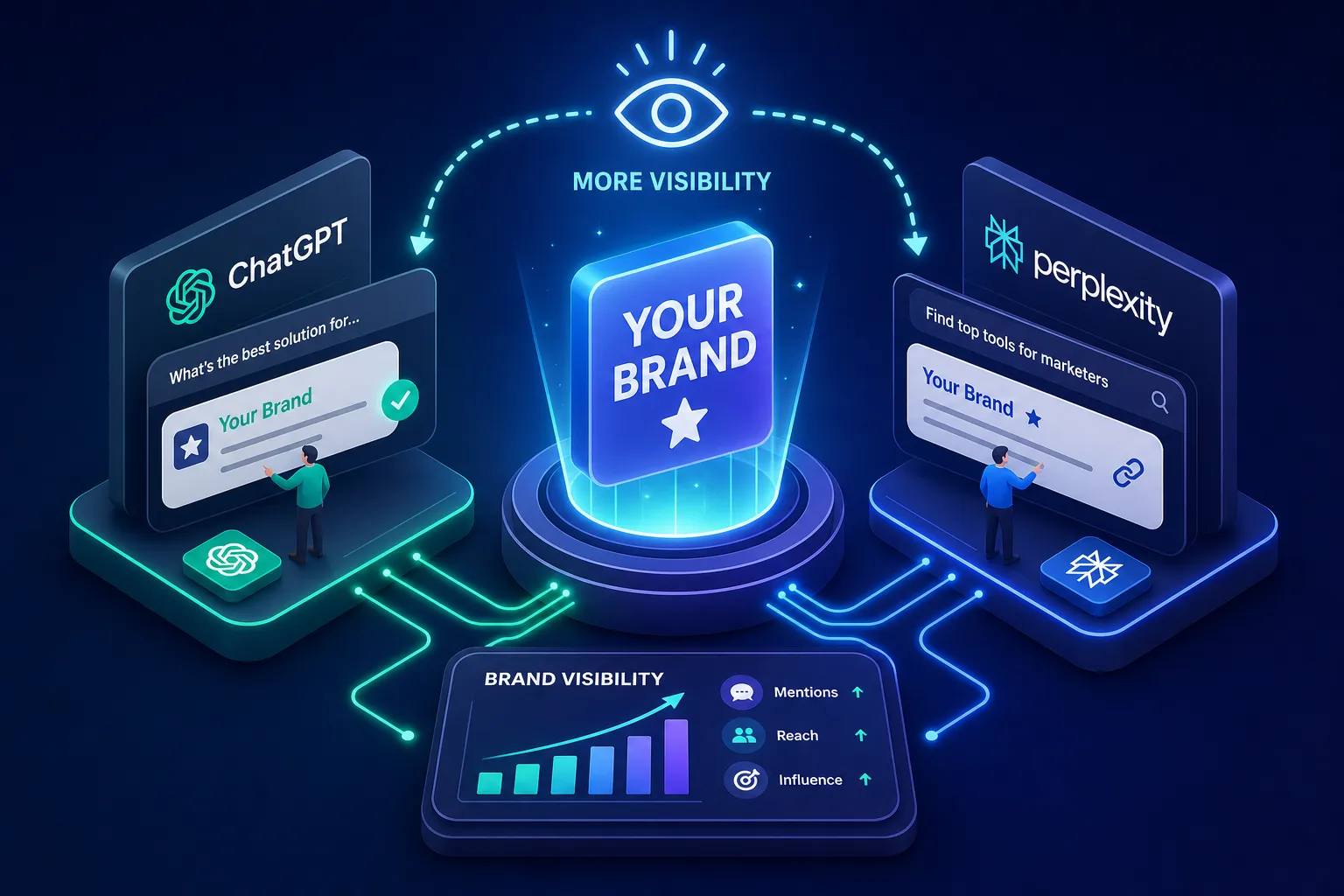
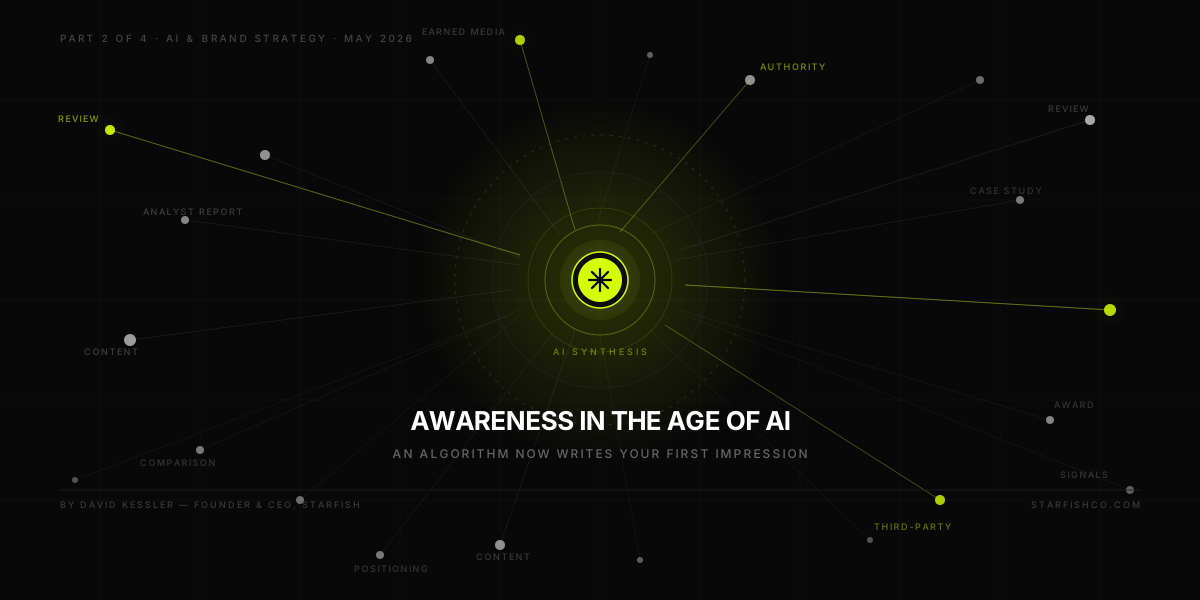
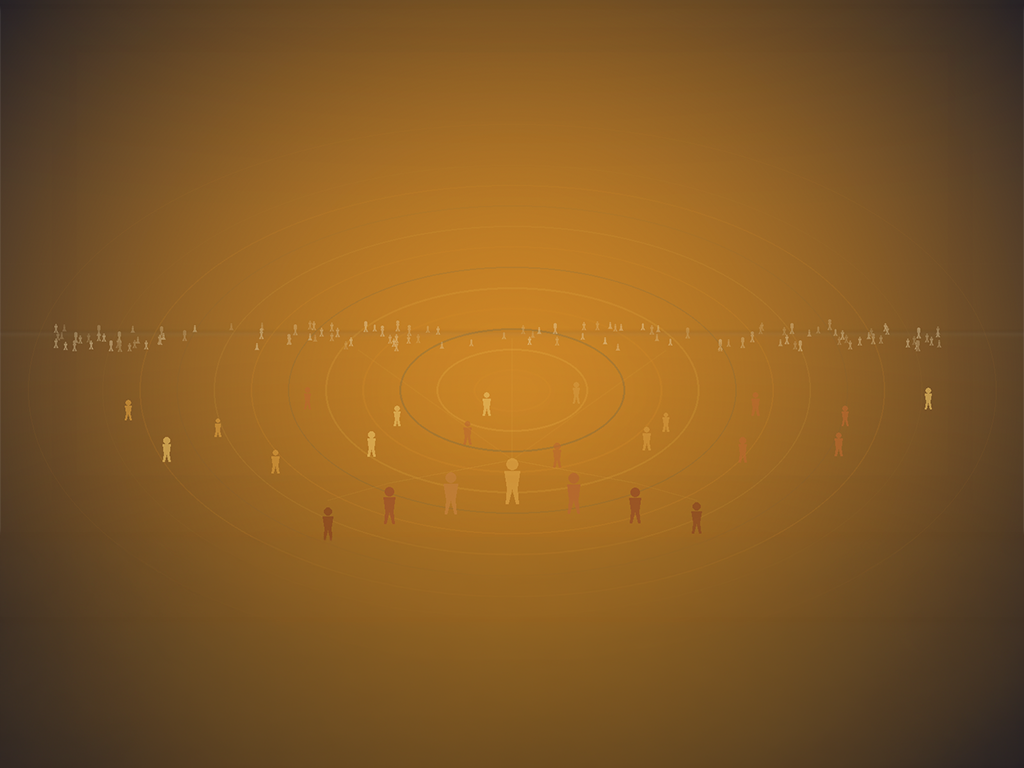
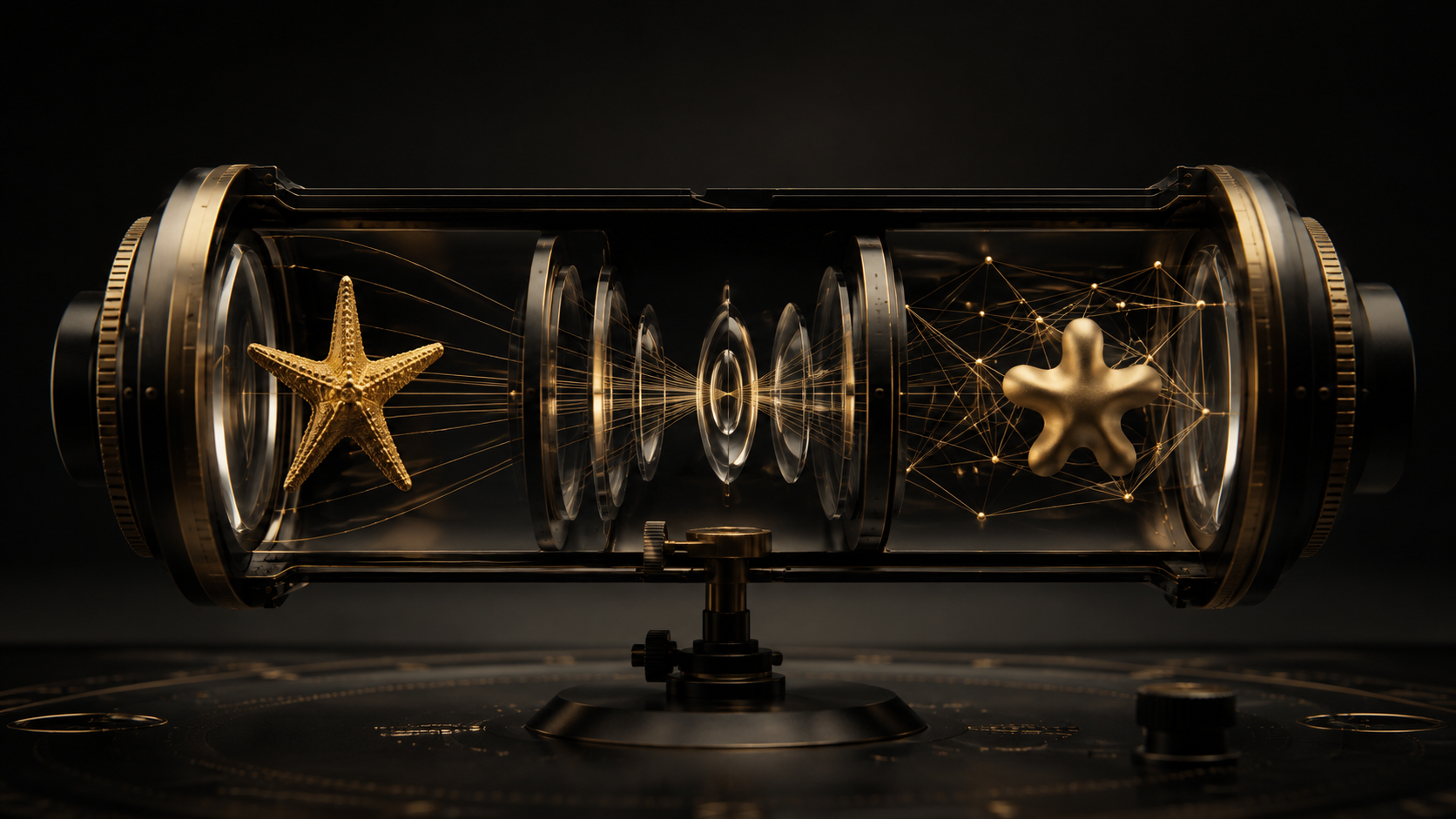
When the machine cites you, it doesn’t hand the customer your page. It hands them its summary of you, a paraphrase assembled in the model’s own words from everything it ever absorbed. You’re mentioned, yes, but you’re also being described by a narrator you didn’t hire and can’t correct, to a customer you’ll likely never address yourself. Sit with what that breaks. For twenty years, digital marketing rested on one move: earn the click, then control the experience on your own turf (your site, your words, your funnel). The click was the handoff onto ground you owned, where you got to make your case in full. Zero-click doesn’t just shrink traffic; it repossesses the ground. The case now gets made for you, secondhand, by a model working from its best guess, and delivered as a verdict before the customer has any reason to hear your version. You didn’t just lose the click. You lost the pitch.
A model describes you only as clearly as you’ve defined yourself
So the operative question isn’t “are we cited?” It’s “when the machine describes us in its own words, does it get us right, or hand the customer a blurry stranger wearing our name?” That’s a brand problem, not a markup problem. A model builds its picture of you by synthesizing everything it has encountered: your site, press, reviews, executives’ posts, an offhand forum mention. If all of it points to the same clear meaning, the model returns a confident, accurate summary. Feed it a brand that says something slightly different in every place, and it does what it always does with noisy input: it hedges, averaging the contradictions into something vague and safe, or seizing on whichever version was loudest. There is no schema tag for coherence. The model isn’t misrepresenting you out of malice. It’s representing you exactly as faithfully as you represented yourself, which for most brands isn’t nearly faithful enough. This is the part the citation scramble misses entirely. You can win every ranking for “most-cited source” and still lose if the sentence the model writes about you is a shrug. Presence is not persuasion, and the model only persuades on your behalf if you gave it something specific to say.
The impression forms before you’re in the room
The sequencing turns ruthless. Bain’s research on AI and search found that 85% of B2B buyers purchase from a “day one” vendor list formed before they seriously search. The shortlist is set before the real evaluation begins, so the machine’s one-paragraph summary isn’t the opening statement in a long trial. It’s often the whole trial, deciding whether you make the list at all, and you’re not in the room to object. Most of the market never learns it was silently disqualified by a description it never saw.
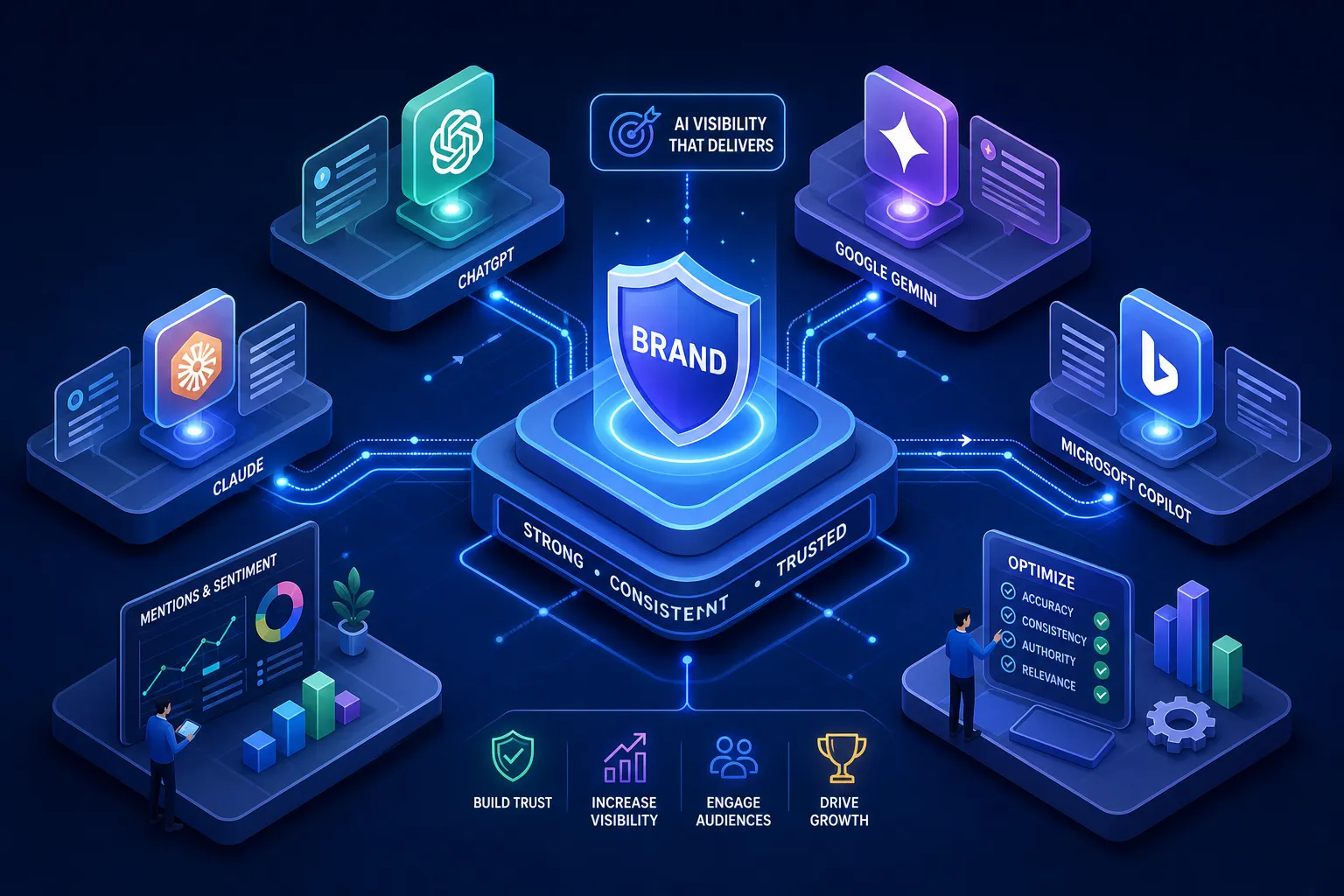
None of this makes the citation work wrong. Being absent from the answer is worse than being described imperfectly in it, so do the AEO work. But the audit everyone’s running ends on the wrong question. It asks are we showing up in AI answers? The question that decides this era comes one line later: when we show up, is what the machine says about us clear, distinct, and true, or generic, hedged, and forgettable? Search used to reward the brands that showed up. It now rewards the ones so coherent that even a lossy, secondhand, AI-generated retelling still lands as unmistakably them. Citation gets your name into the answer. Coherence decides whether the answer sells you or buries you.
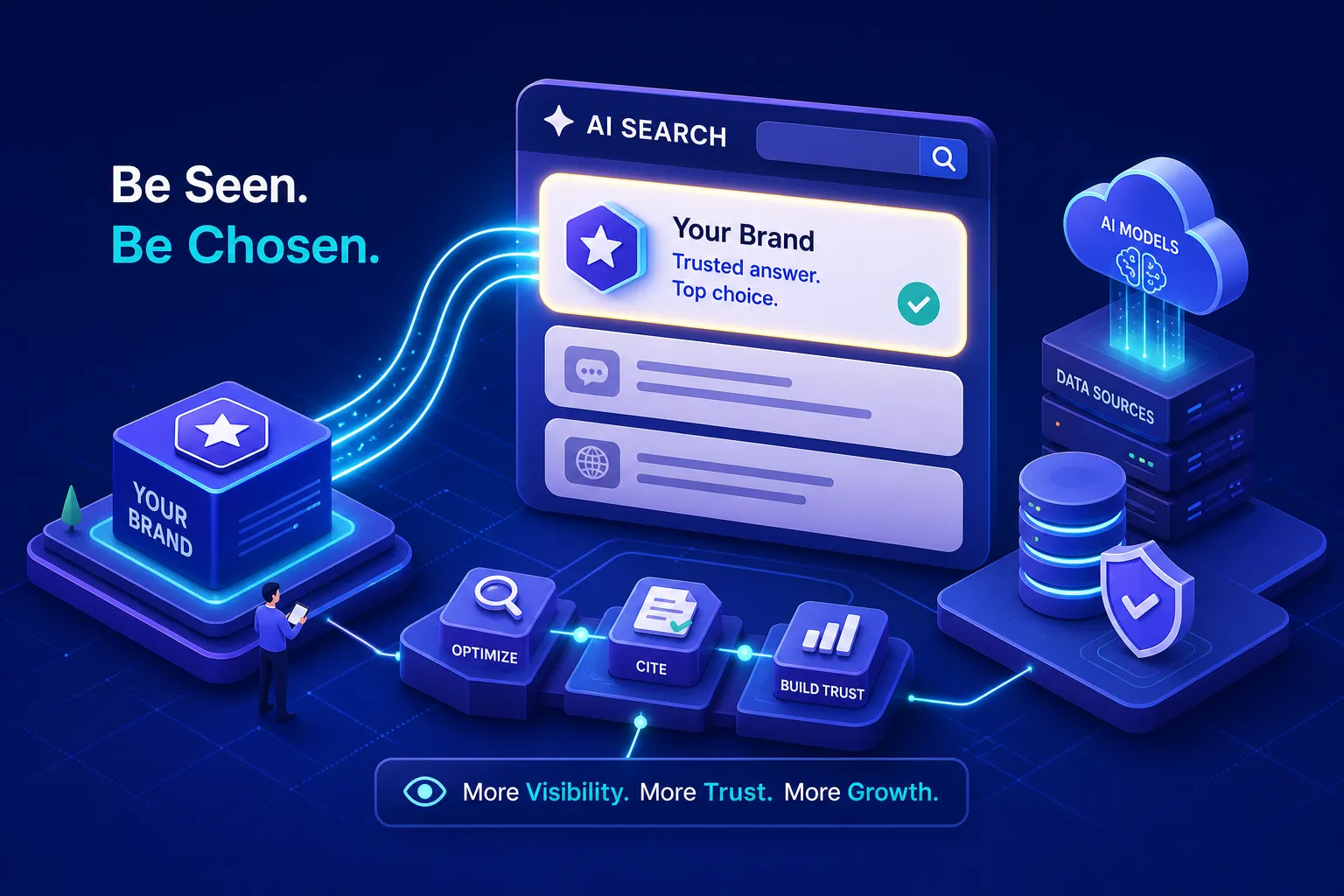
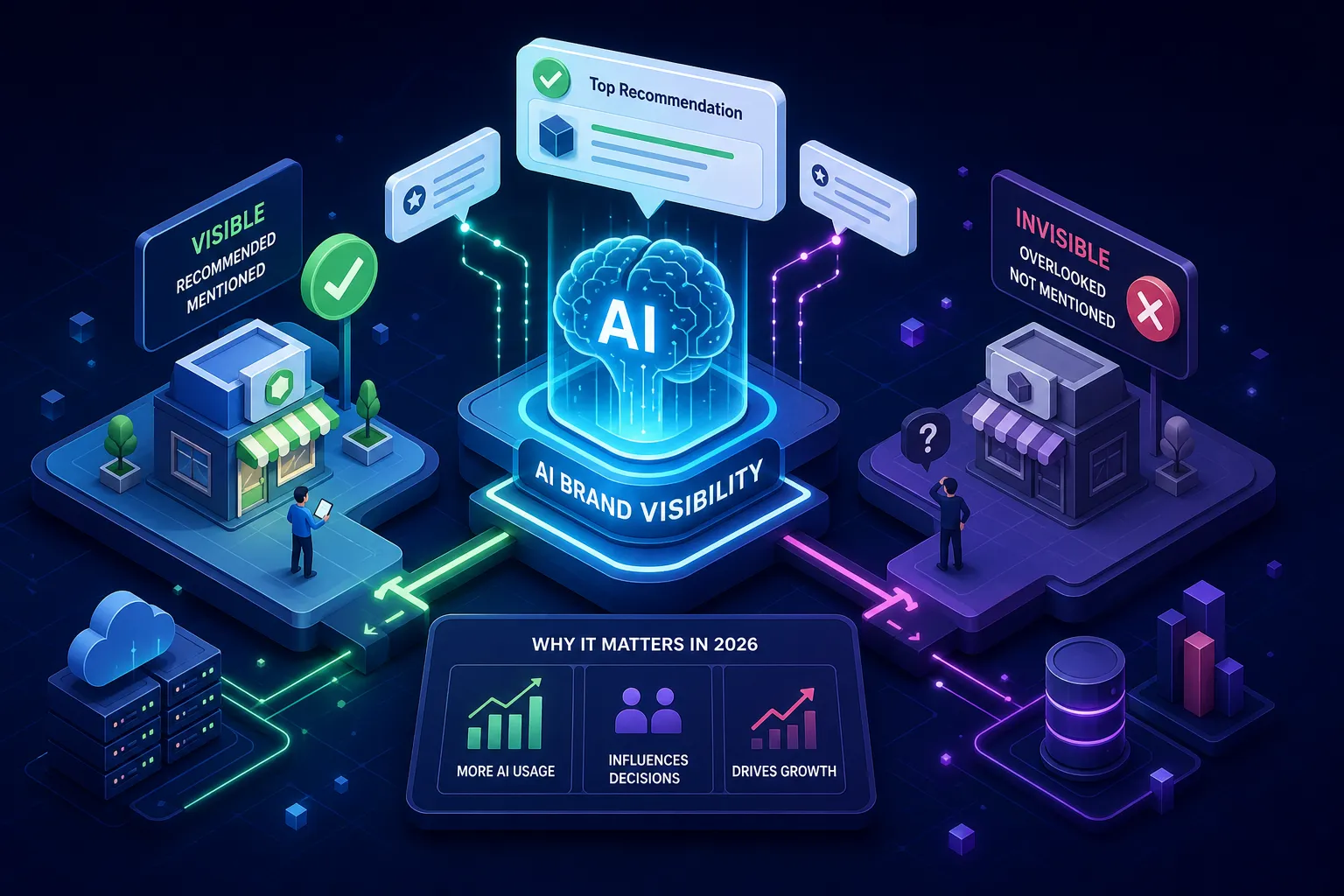
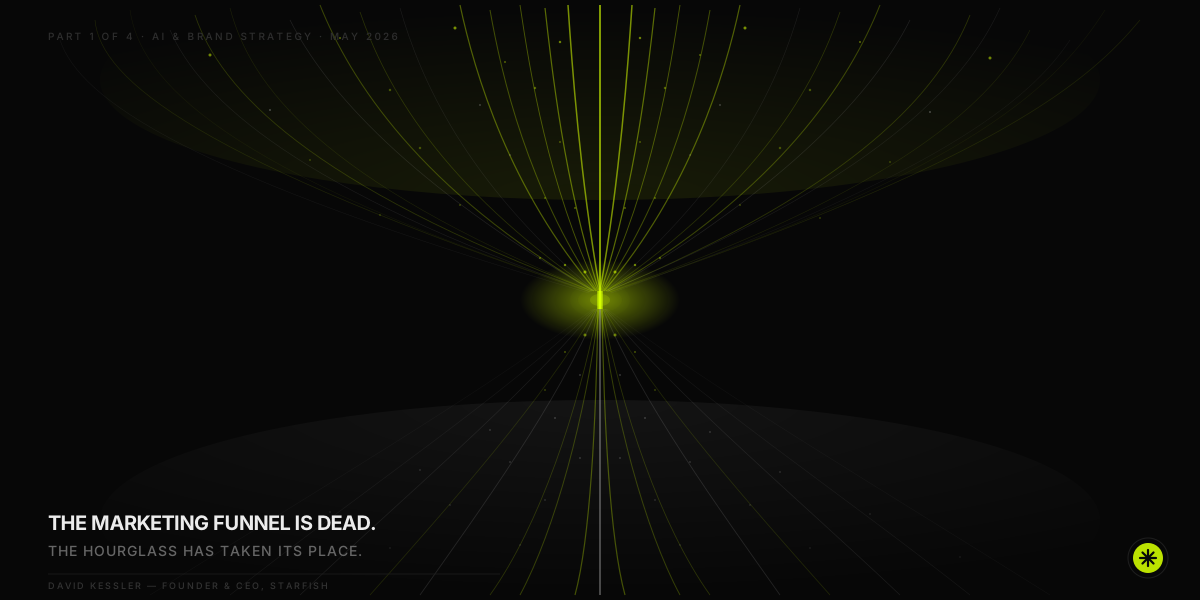
Related reading: How to make your brand visible in AI search results, what AI brand visibility actually means in 2026, and why the marketing funnel gave way to the hourglass.
Frequently Asked QuestionsRead MoreRead Less
What is zero-click search?
Zero-click search is when a user gets their answer on the results page, via an AI Overview, snippet, or panel, without visiting a website. Per SparkToro (2026), fewer than one in three Google searches now sends a click to the open web.
How are AI Overviews affecting brand traffic?
They sharply cut click-through. Seer Interactive and Pew Research found organic clicks fall steeply on AI Overview queries, and Google’s AI Mode shows roughly a 93% zero-click rate. Brands increasingly reach customers through the AI’s summary, not a site visit.
Is getting cited by AI enough to protect a brand?
No. Citation gets a brand mentioned, but the AI still describes it in paraphrased words. Whether that description is accurate or generic depends on how consistently the brand defined itself across the sources the model learned from.
What should brands do about zero-click search beyond AEO?
Build a meaning so clear and consistent that an AI paraphrasing them from memory still gets them right. The complete audit asks: are we cited, and when we are, is the description unmistakably us?
The Brand Intelligence Monitor is published by Starfish, a Brand and Creative Agency with unique expertise in Brand Experience, and a brand strategy firm built for the AI era. We help brands become coherent enough that when a machine describes you from memory, it still gets you right.