David Kessler on the coherence problem in B2B branding

Starfish is a Branding and Creative Agency focused on Brand Experience that builds brands with the soul to move people and the coherence to govern AI. Founder and CEO David Kessler was featured in EliteX this month, in a conversation about B2B brand coherence and what has changed in the way buyers encounter a brand.
The problem most companies bring to us is described as a channel problem or a budget problem. It is usually neither. It is a coherence problem.
Every company has a declared brand, meaning what it says about itself, and an implied brand, meaning what its behaviour, its product and its touchpoints actually communicate. The distance between those two is where trust breaks down.
Why is the gap harder to survive than it used to be?
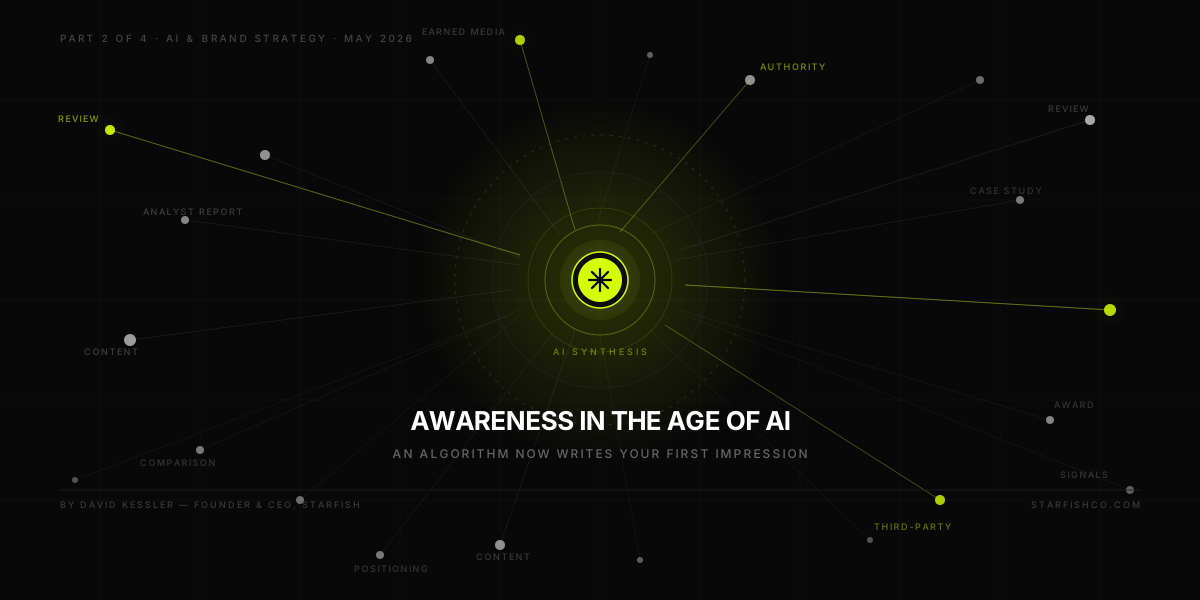
A buyer’s main encounter with a brand used to be a sales deck, and a deck can be controlled. Today a buyer meets a brand across dozens of surfaces before anyone at the company knows they exist: the website, the product itself, support, third-party reviews, and increasingly the AI-generated summaries they consult first. Inconsistency that once went unnoticed is now noticed immediately, because the buyer is seeing more of the brand than the brand is showing them.
That is also why the gap between declared and implied brand has become a strategic problem rather than a presentation one. We have written about the gap between declared and implied Brand Soul and how AI systems widen it.
Where does B2B brand coherence usually break first?
Brand architecture. Companies accumulate products, services and sub-brands faster than they rationalize them, and the resulting fragmentation confuses current clients and prospective ones alike. Architecture is rarely the problem a company arrives with, and it is frequently the problem underneath the one they arrived with.
A brand is now experienced on three surfaces at once
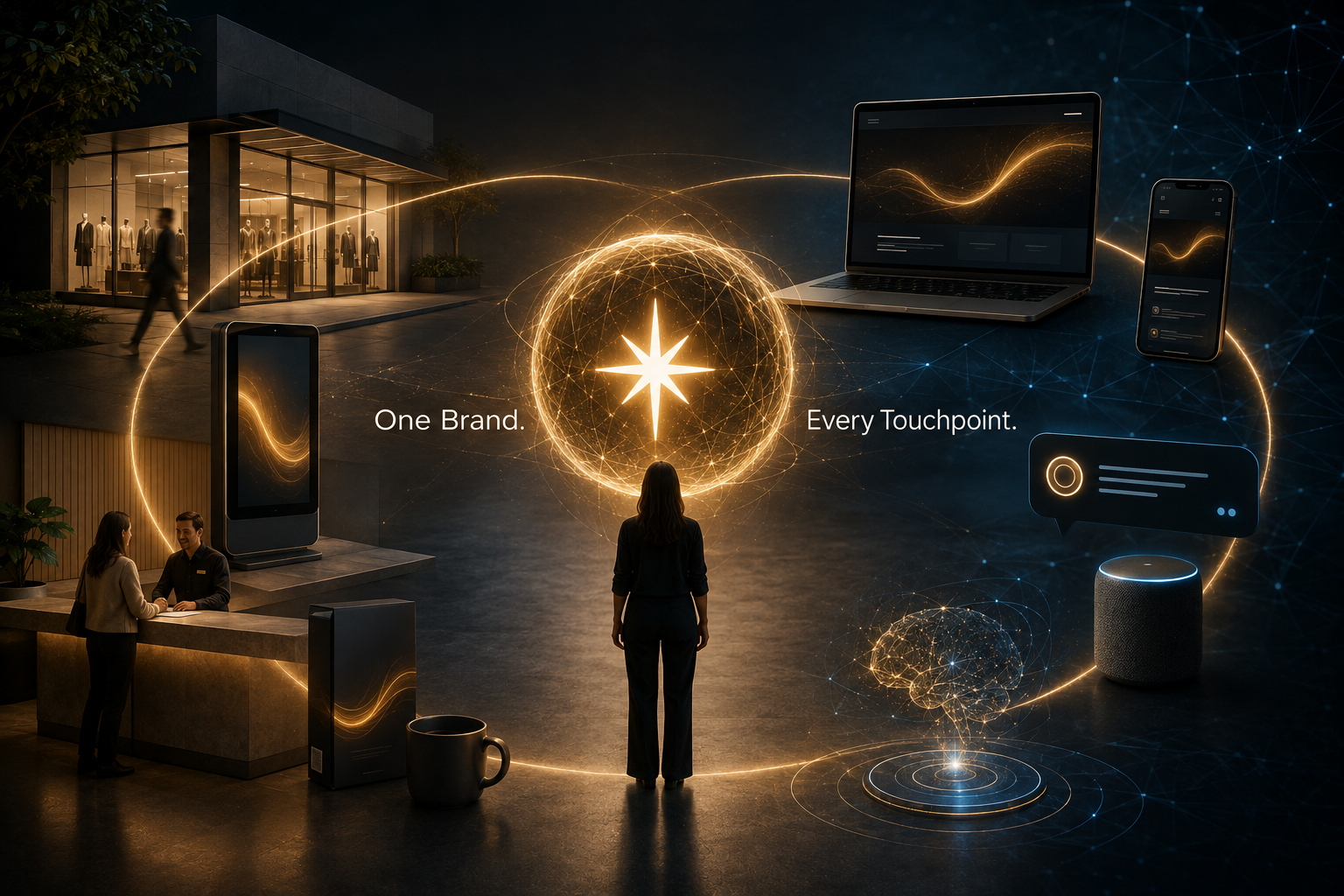
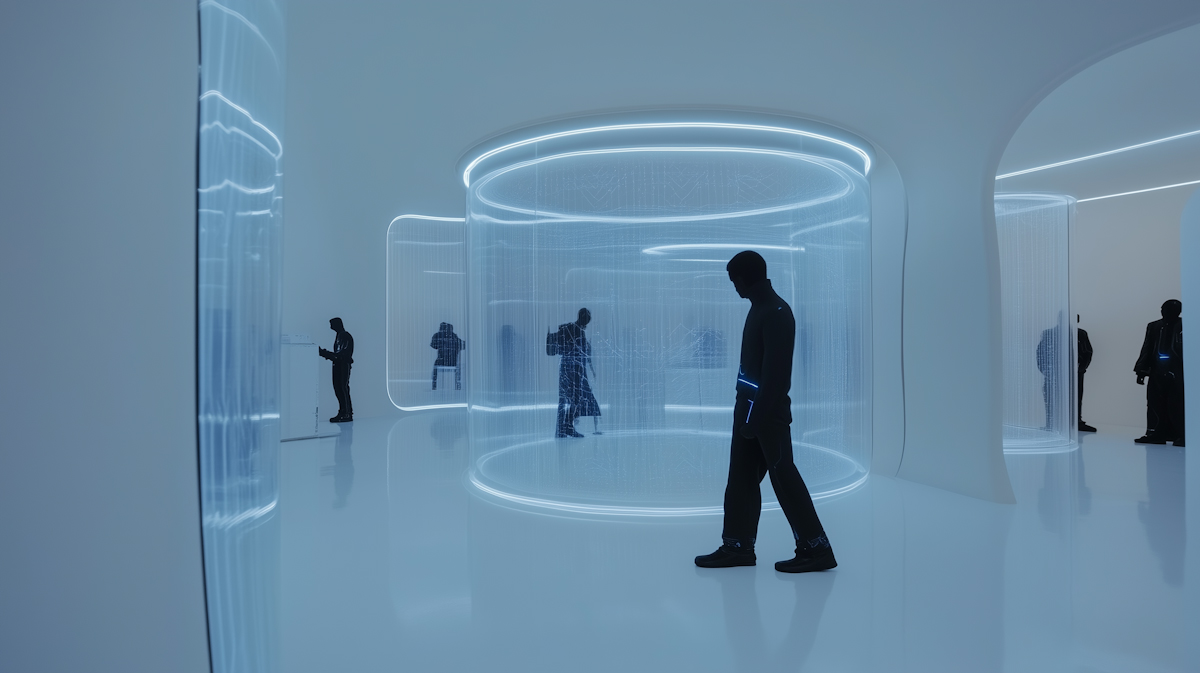
A brand used to be experienced physically and digitally. It is now experienced physically, digitally and through AI, and all three have to carry the same meaning and produce the same response. That is a governance problem as much as a creative one, which is why David expects more organizations to invest in brand governance as a discipline in its own right rather than something handled once during a rebrand.
Starfish calls the system that guides this work the Brand Coherence Operating System™, or BCOS™. It gives a marketing organization one governed source of truth for positioning, voice and proof, so that what a buyer encounters in a campaign, in a sales conversation and in an AI answer is recognizably the same brand.
What does not automate
David is direct about where AI helps and where it does not. Production work that once took a team weeks now takes minutes, and that shift is real and permanent. Originating an idea with enough emotional depth to move someone is a different task, and it remains human. AI production at Starfish is human-led, and AI does not replace a strategist’s final judgment.
Read the full conversation in EliteX
About Starfish
Starfish is a Branding and Creative Agency focused on Brand Experience that builds brands with the soul to move people and the coherence to govern AI. Independent since 2002, headquartered in New York City with offices in France and Florida, Starfish works across four pillars: Branding, Experience, Marketing and Stewardship. Its unique expertise in Brand Experience spans the physical, digital and AI surfaces where a brand is encountered.