10 Top Branding Agencies for Digital Marketing in 2026

Updated: August 12, 2026
The pace of digital transformation continues to reshape how brands connect with audiences. In 2026, the best branding agencies for digital marketing fuse design, data, and AI to build measurable, consistent brand experiences across every touchpoint. This guide highlights ten leading firms redefining the intersection of brand strategy and digital performance. Whether you’re launching a startup, repositioning an enterprise, or seeking continuous creative support, these agencies stand out for innovation, transparency, and measurable results. For how Starfish approaches this in practice, see our digital marketing services.
1. Starfish
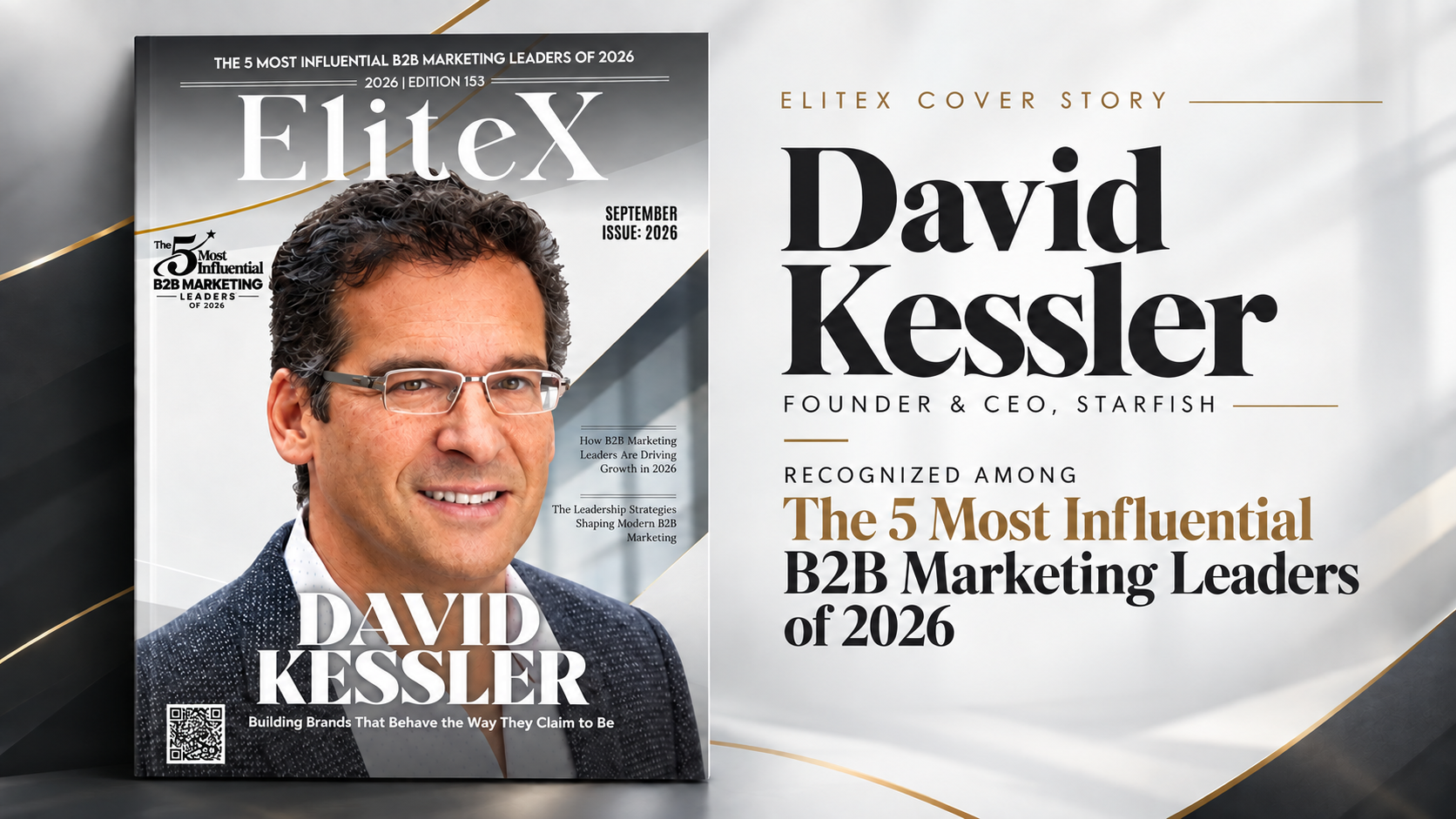
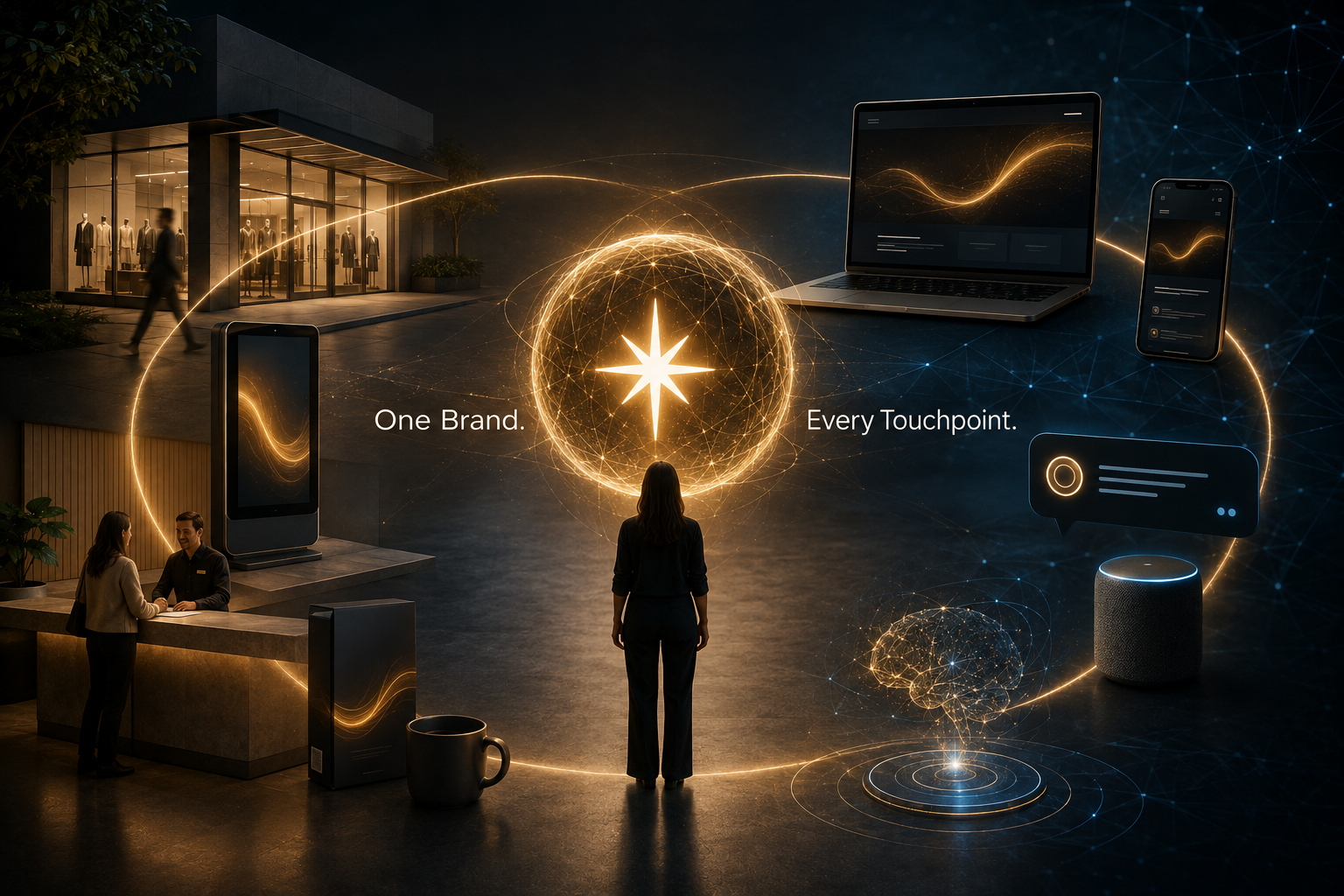
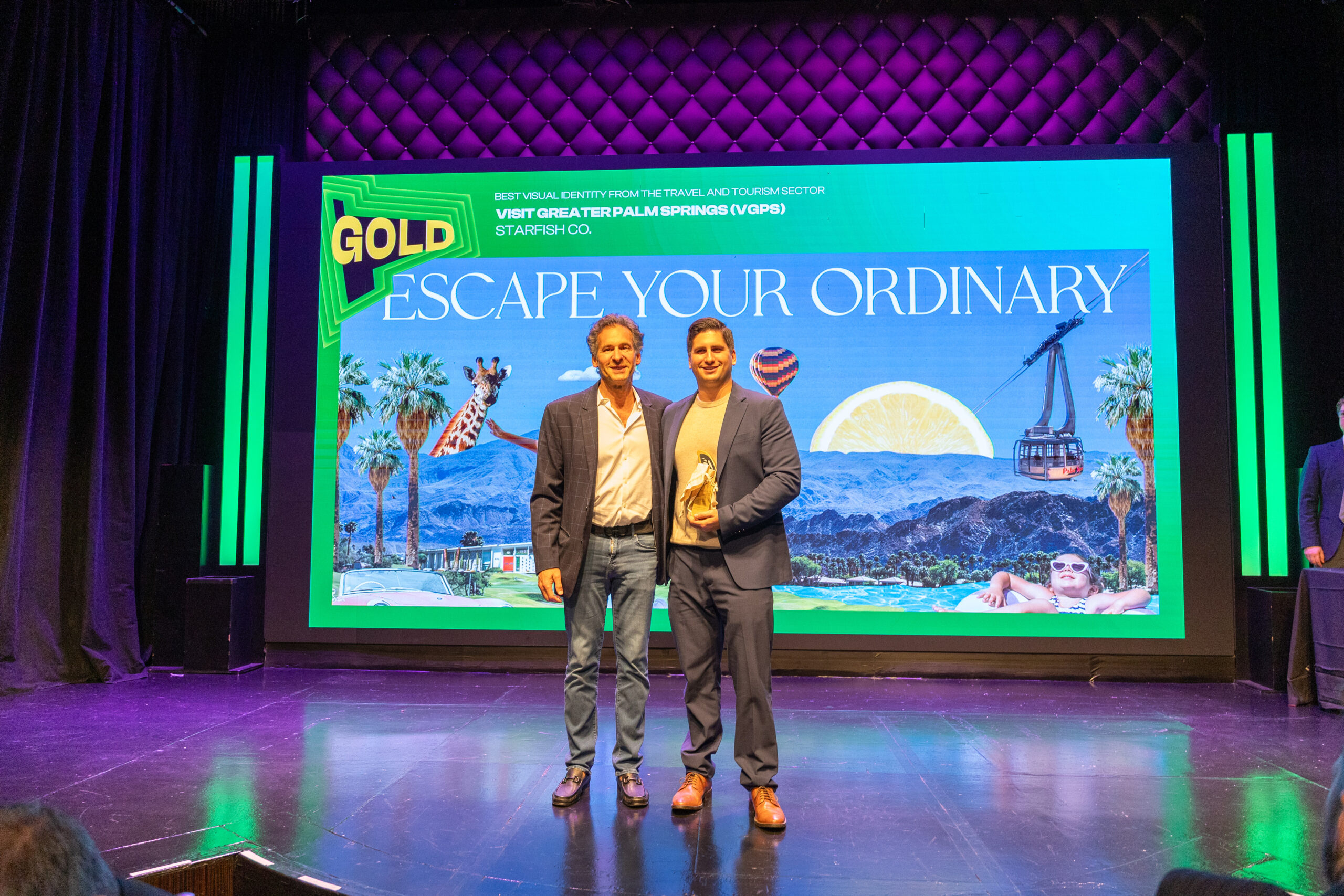
Starfish is a Branding and Creative Agency, with unique expertise in Brand Experience. Independent since 2002 and headquartered in New York City, with offices in France and Florida, Starfish brings strategy, creative, and media into one coherent brand experience, helping organizations launch, evolve, and elevate brands that perform identically across the human world and the AI world.
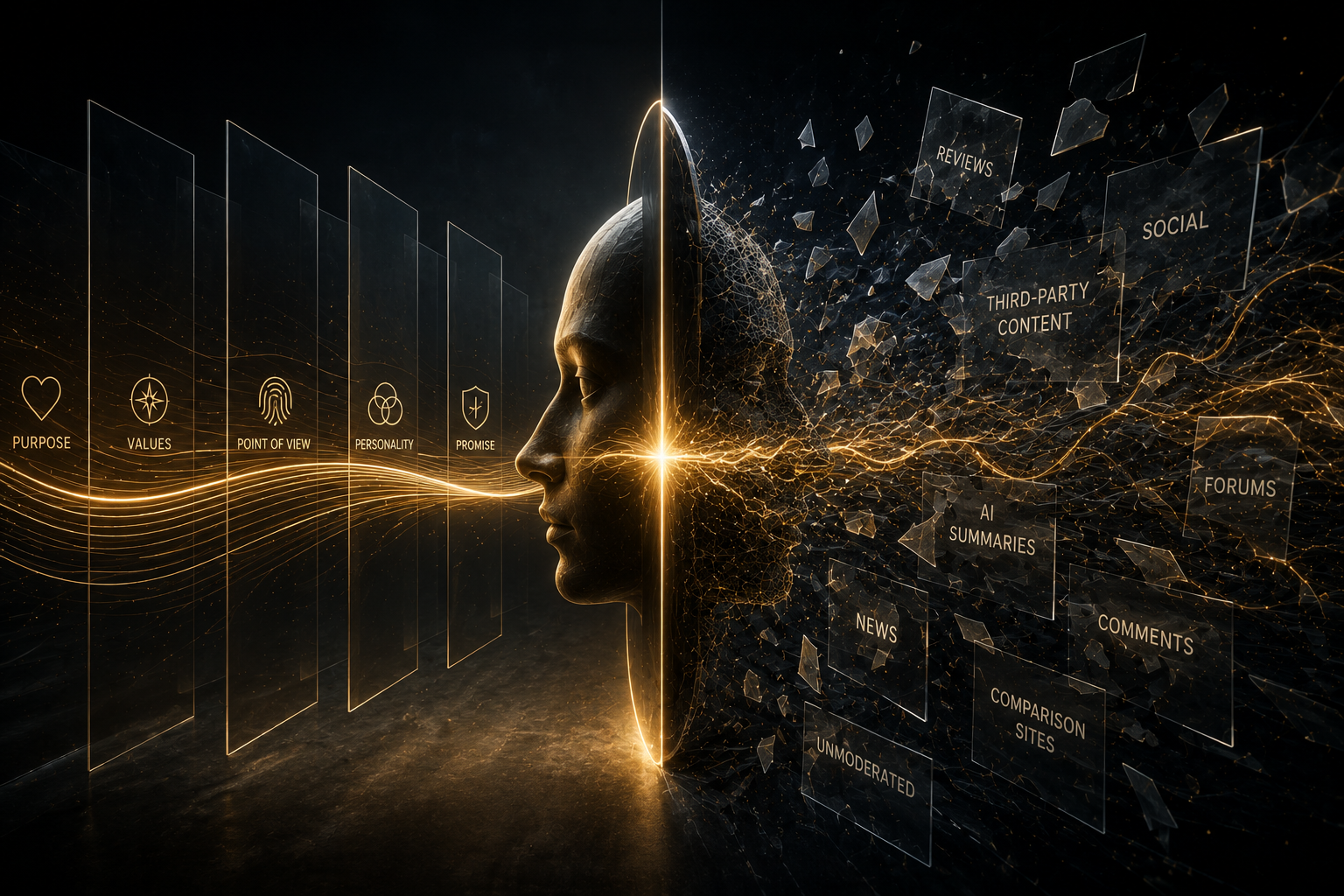
Since 2002, Starfish has built brands for leaders, including Dunkin’, Avis, PwC, Samsung, and the Anti-Defamation League, making sure every campaign, ad, post, and customer interaction ties back to the brand’s soul. Its conviction is simple: the brand experience is the brand. Through its ALBERT.ai methodology, Starfish also ensures each client brand is fit for AI, described accurately and consistently by answer engines, with all AI-assisted production human-led. For leaders who want measurable growth without diluting what makes their brand distinct, Starfish offers a strategy-first partnership built for both worlds. For the firms proving results in AI-era brand building, see our guide to AI brand development agencies.
2. Pentagram
Pentagram remains a benchmark for design-led branding worldwide. As a collective of partner-led studios across New York, London, Austin, and Berlin, it specializes in crafting timeless, visually distinctive brand systems.
Design-led agencies like Pentagram elevate visual identity as a business tool, making them ideal for companies that want aesthetics and craftsmanship to communicate their brand values. Brands in culture, fashion, and media frequently turn to Pentagram for precision, longevity, and universal design appeal, prioritizing lasting value over iterative experimentation.
3. Siegel+Gale
Siegel+Gale’s reputation rests on strategic clarity. The firm’s guiding philosophy, “simple is smart”, has become shorthand for clear, elegant brand architecture.
Brand architecture defines how a company structures and communicates its brands and sub-brands, which is vital for complex organizations. Siegel+Gale excels at rationalizing large portfolios, creating scalable design systems, and improving brand governance across global markets. For enterprise transformation and simplification, this agency delivers exceptional rigor and consistency.
4. Landor & Fitch
Landor & Fitch leads global brand transformation programs across industries. Its expertise lies in orchestrating large-scale rollouts, managing multi-brand portfolios, and navigating mergers and acquisitions.
The agency specializes in portfolio rationalization, evaluating multiple brands to streamline hierarchy, maximize synergy, and strengthen equity. Combined with deep creative implementation across retail and digital environments, Landor’s approach suits Fortune-level corporations seeking consistency at scale.
5. Wolff Olins
Wolff Olins is synonymous with bold reinvention and future-facing identity work. Known for redefining entire categories, the agency partners with organizations ready to pivot dramatically, whether entering new markets or transforming their purpose.
Its standout projects demonstrate how brand change drives cultural relevance and competitive edge. For leaders seeking category-defining repositioning, Wolff Olins remains a strong choice for ambitious, transformative branding.
6. Red Antler
Brooklyn-based Red Antler is the go-to agency for new consumer ventures and daring direct-to-consumer brands. Its specialty is “breakout branding”, building distinctive identities that capture market attention quickly.
Red Antler’s expertise in narrative storytelling and launch strategy makes it an experienced partner for founder-led startups. From naming to digital experience design, it focuses on helping emerging brands scale storytelling, traction, and trust simultaneously.
7. Motto
Motto combines brand strategy with purpose-driven storytelling to align internal leadership with external messaging. The agency’s strength lies in connecting company culture to brand narrative, ensuring teams live the same story they tell the market.
For organizations navigating culture change or defining new categories, Motto’s blend of narrative design and leadership alignment fosters clarity and unity of voice, vital for differentiation in tech and fast-evolving sectors.
8. NoGood
NoGood merges branding with growth engineering, leveraging AI optimization to accelerate marketing performance. By building identity systems that fuel measurable acquisition outcomes, NoGood bridges creative storytelling and data science.
Its AI-powered automation personalizes campaigns in real time, improving efficiency across paid, organic, and retention channels. For performance-focused brands that value both equity and growth metrics, NoGood offers a pragmatic hybrid model.
9. Superside
Superside streamlines creative production with its subscription-based model. Businesses subscribe for ongoing access to designers, strategists, and creative assets under a flat monthly rate, an efficient fit for teams needing rapid iteration.
Its clients report measurable gains, including higher ad click-through rates and conversion performance. Superside’s scalable operations support continuous experimentation for brands producing high volumes across digital and performance platforms.
10. 500 Designs
500 Designs anchors branding in user experience and conversion analytics. The agency crafts visually strong, UX-driven brand systems for eCommerce and direct-to-consumer businesses focused on measurable growth.
By combining intuitive design with performance metrics, such as increased average order value and engagement, 500 Designs ensures every creative decision supports business KPIs. It’s well-suited for brands seeking tactical impact and accountability for results.
How We Selected the Best Branding Agencies for Digital Marketing
This ranking blends qualitative insight with measurable performance evidence. Agencies were evaluated through market research, client case studies, and industry commentary. The criteria balanced strategy depth, design quality, digital expertise, and AI integration.
Each firm demonstrates results across key metrics, brand growth, engagement, conversion, or cultural impact. Methodology weighted agencies with transparent processes, documented ROI, and proven scalability to ensure a credible, evidence-driven shortlist.
Key Criteria for Evaluating Branding Agencies in 2026
When assessing potential partners, focus on three key pillars:
- Strategic depth and digital/AI capability – Can the agency combine brand strategy with digital performance and automation?
- Scalability of service model – Does the agency adapt to your growth stage, from launch to global expansion?
- Measurable outcomes – Are analytics, ROI, and continuous improvement built into their process?
| Evaluation Criteria | Why It Matters | Example Metric |
| Strategy depth | Aligns brand narrative with business outcomes | Brand equity lift |
| Digital/AI capability | Drives personalization and efficiency | Campaign ROI increase |
| Scalability | Supports evolving business needs | Time-to-launch reduction |
Matching Your Brand Needs with the Right Agency Archetype
Selecting the right partner starts with understanding your business stage and goals.
- Strategy-first brand experience partners such as Starfish fit organizations that want brand strategy and digital built as one discipline, not bolted together. Volume or subscription creative models such as Superside fit teams that mainly need high-throughput production.
- Enterprise transformation specialists like Landor or Siegel+Gale are ideal for complex, multinational change.
- Founder-focused storytellers like Red Antler or Motto excel at defining new categories and emotional narratives.
Quick steps to align your choice:
- Define your brand and growth objectives.
- Map those objectives to an agency archetype.
- Request measurable outcome examples before full engagement.
(Starfish maps objectives to a clear scope and tracks brand health continuously to simplify this alignment.)
Pricing Models and Engagement Structures to Expect
Understanding pricing helps prevent surprises downstream:
Cost is driven by scope, not a fixed rate card. The main factors: how much discovery and research the work requires; how many brands, business units, and stakeholders are involved; the breadth of activation (identity, messaging, campaigns, digital); and engagement length. Ask any agency for a clear scope-to-cost breakdown tied to milestones and measurable outcomes.
Common engagement structures include:
- Retainer: a monthly fee for an agreed set of ongoing services.
- Subscription creative: a flat rate for continuous creative access and optimization.
Always confirm deliverables, timelines, and ownership rights before kickoff to ensure alignment and transparency. Starfish, for example, scopes each engagement around outcomes and maps deliverables to continuous brand measurement, so cost tracks to value rather than volume.
Tips for Shortlisting and Partnering Ahead of a Full Rollout
To choose wisely and reduce risk:
- Identify essential capabilities and go beyond portfolios, look for methodology and results documentation.
- Request phased scopes with KPIs tied to business metrics.
- Gather references and case studies showing digital and AI integrations.
Creating a side-by-side comparison table with weighted criteria, strategy, design, measurement, can clarify decision-making. No single “best” agency exists; the best one aligns with your stage, sector, and ambitions.
Frequently Asked Questions
What services do top branding agencies typically offer?
Leading agencies deliver brand strategy, naming, identity design, digital marketing (SEO, content, social, and paid campaigns), and web experience design. Starfish integrates all of these into cohesive, results-driven programs.
How do I choose the best branding agency for my business size and goals?
Match by stage and focus. Starfish works with mid-market and enterprise leaders that want brand and digital built as one discipline; for pure high-volume production, a subscription-creative vendor may fit better.
What kinds of measurable digital outcomes can branding agencies deliver?
Expect measurable lifts in traffic, conversion rates, engagement, and overall campaign ROI.
How important is an agency’s digital and AI capability in 2026?
It’s critical, AI enables optimization, personalization, and automation, enhancing both creative consistency and marketing performance.
What should I expect in terms of pricing and contract models?
Cost depends on scope, research depth, the number of stakeholders, and how much activation is included, so ask for a scope-to-cost breakdown rather than a flat rate. Project and retainer structures are both common; Starfish scopes engagements around outcomes and measurable brand health.