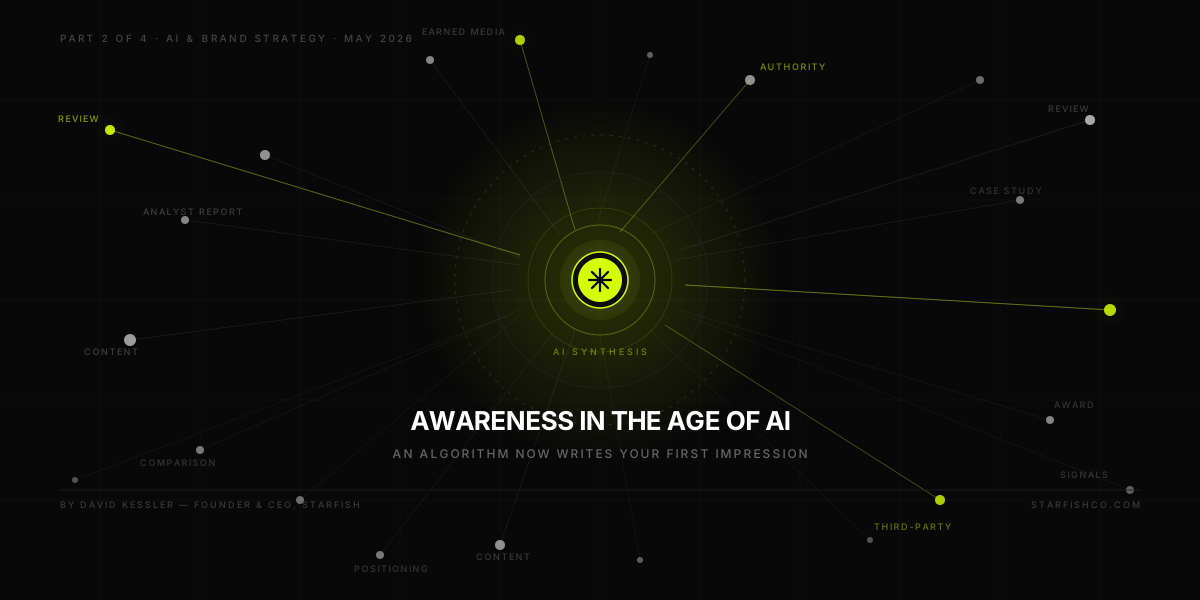
Your Next Customer Is Already Asking AI About You

Most B2B buyers aren’t shopping today. But when they finally do, they’ll ask a machine who to trust, and it will answer based on what you taught it.
Here’s something every B2B marketer learns the hard way: at any given moment, almost nobody is actually in the market to buy what you sell. The research puts it at roughly 5%. That’s about one buyer in twenty who is shopping right now. The other nineteen aren’t. They’re busy, they’re content with what they have, or they simply haven’t hit the problem you solve yet. Marketers call this the 95-5 rule, established by Professor John Dawes of the Ehrenberg-Bass Institute in research for the LinkedIn B2B Institute.
That one fact changes how you should spend your money. If you only chase the 5% buying today, you’re fighting every competitor for the same tiny group, which is expensive, and the minute you stop paying, the leads dry up. The smarter move is to become familiar with the other 95% now, so that when they’re finally ready, you’re the first name that comes to mind. Bain and Google found that 80% to 90% of B2B buyers already carry a short list of companies in their head before they do any real research, and roughly nine in ten end up buying from that list. Put simply: the sale is mostly decided before the buyer ever talks to you.
Now there’s a second memory to win
For years, that was a story about human memory. But something changed. When your future buyer finally gets ready, they don’t figure it out alone anymore. They ask AI. Forrester’s State of Business Buying, 2026, a survey of nearly 18,000 global buyers, found that 94% now use AI somewhere in the buying process, and that generative AI has become the single most meaningful information source across every phase of buying, outpacing vendor websites, sales reps and product experts combined.
Look at what that means in practice. In the same research, 55% of buyers said they compare vendors inside AI tools, 54% research products there, and 47% build their internal business case, all before they ever contact a vendor. And they are not deciding alone: the typical purchase now involves 13 internal stakeholders and nine outside participants. That is 22 people forming an impression of you, largely through a machine, in a room you are not in.
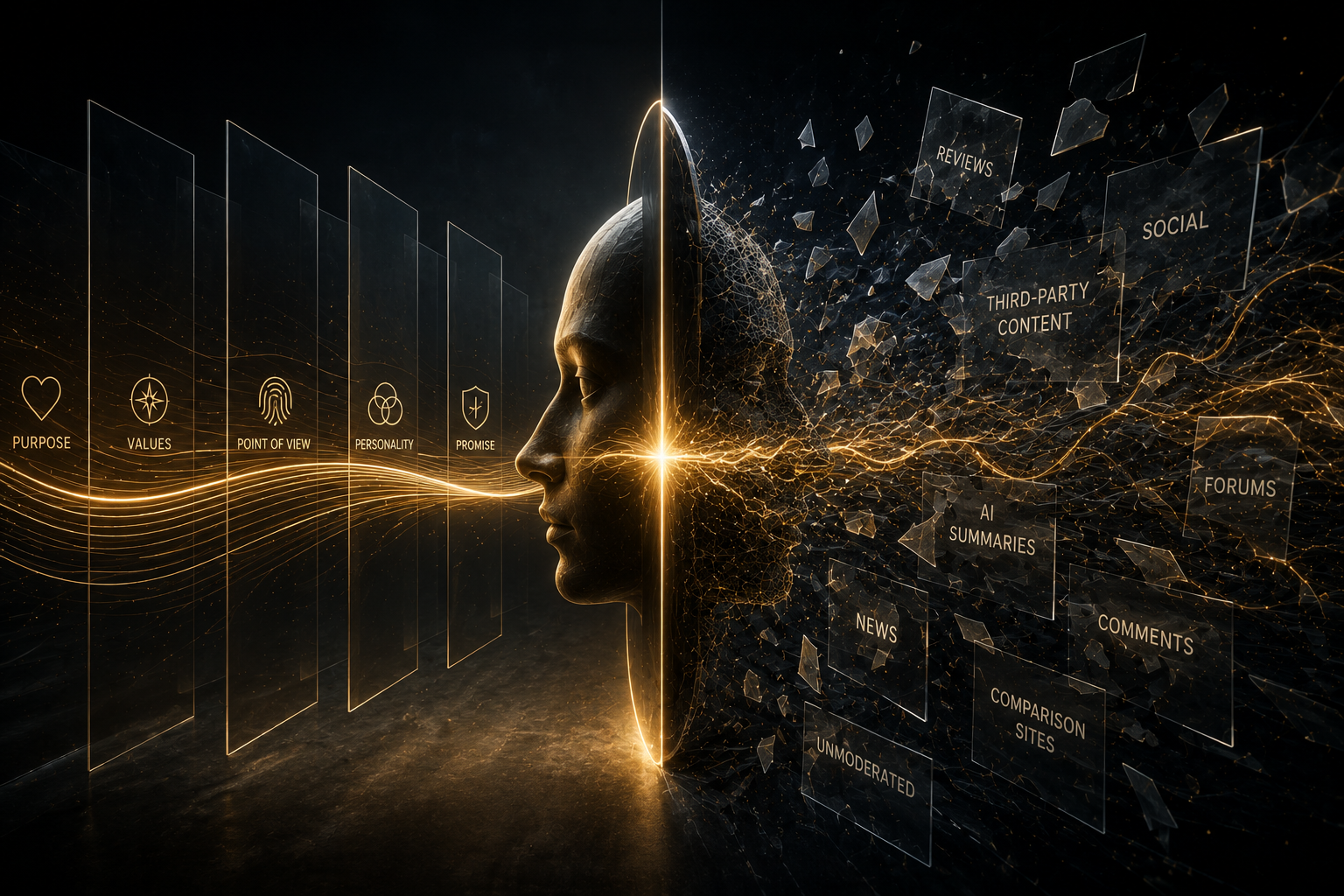
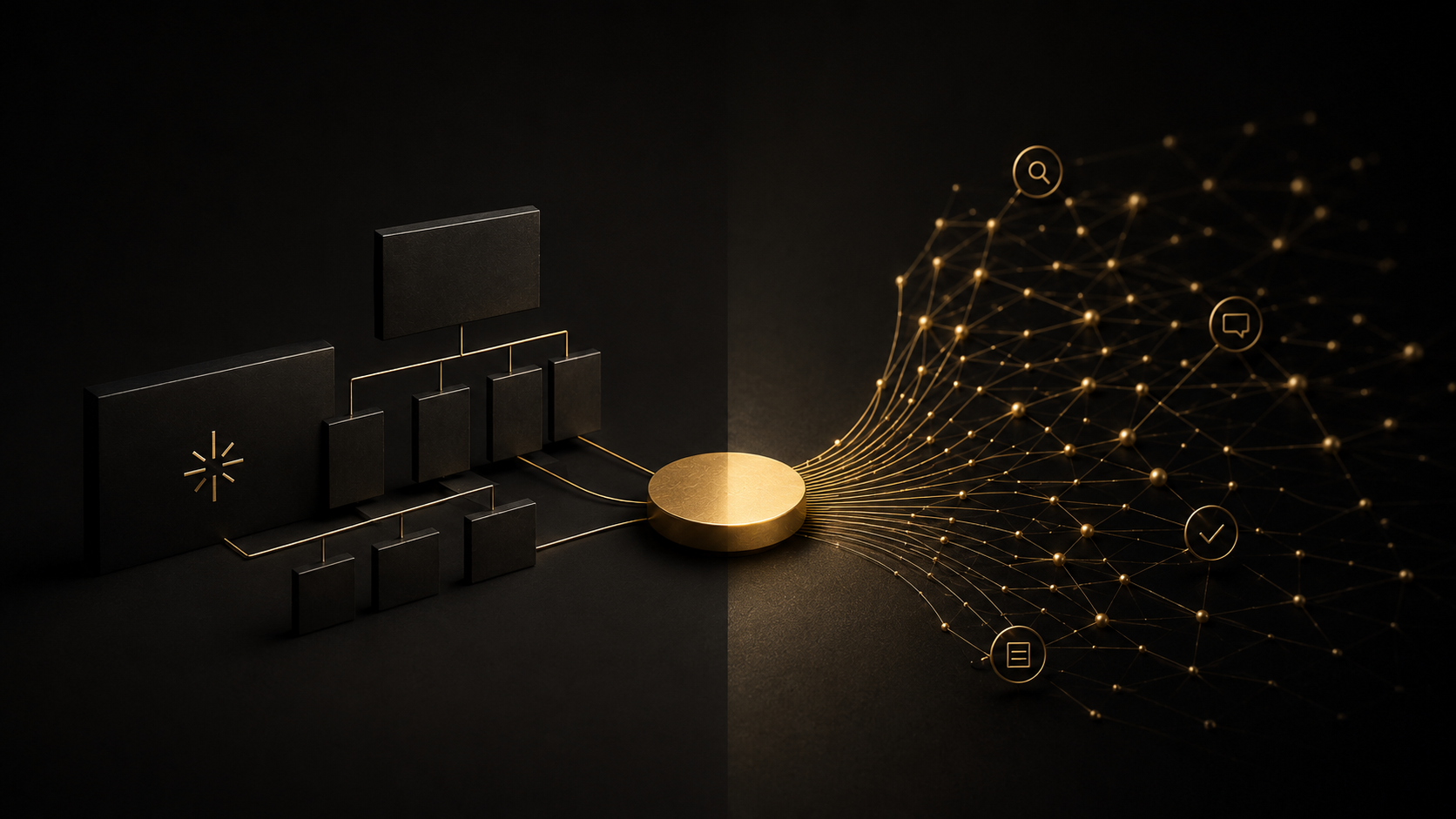
So you’re building two memories now, not one. There’s the memory in your buyer’s head. And there’s the “memory” inside the AI they’ll ask. When someone types “who are the best companies for this?” into a chatbot, the answer comes from everything the machine has read about you and your rivals. If it has seen a clear, consistent story about who you are, it names you with confidence. If it has seen a muddle, it skips you or describes you in a vague, forgettable way.
The good news: one effort, two payoffs
Here’s the part that should make working on the brand feel far more worthwhile. All the content you put out for people who aren’t buying yet, for example, the useful articles, the point of view, the showing up again and again, is not just about teaching future humans. It’s also teaching the machine. Every time you say clearly and consistently who you are and what you stand for, you build the human’s memory and the AI’s answer. One effort, two payoffs.
The reverse is the trap. Spend everything chasing today’s shoppers via ads, forms, and “download our guide,” and you build neither memory. People don’t remember you, and the machine was never given a reason to mention you. You end up invisible in the exact moment that decides everything.
Say the same thing, everywhere, for a long time
One habit matters more than any clever tactic: consistency. A machine builds its picture of you by adding up everything it has ever seen. Tell one story this year and a different one next year, and you don’t just confuse people; you confuse the machine, and a confused machine describes you in mush.
It even helps at the finish line, in a way most people miss. Buyers say they want you out of the way: 67% now prefer a rep-free experience, up from 61% a year earlier, according to Gartner. And yet 69% of them turn to a sales rep to validate what the AI told them. Read those two numbers together and you get the whole shape of modern B2B buying: they want to do it without you, right up until the machine says something they need checked. If the story the AI gives them matches what they hear when they finally pick up the phone, trust clicks into place. If it doesn’t, doubt creeps in at the worst possible moment.
So the question isn’t just “will buyers remember us?” anymore. It’s “when they ask a machine about our world, does it have a clear, confident answer about us, or not?” The sale was always decided before the buyer showed up. Now, part of that decision is made by something that knows only what you taught it. So teach it well, and teach it the same thing, every time.
Related reading:
You Didn’t Just Lose the Click. You Lost the Pitch. on how AI systems actually build their description of you
AI Just Made Brand Consistency Non-Negotiable on holding one story still long enough for it to land
B2B Branding and Advertising Was Already a Sea of Sameness on what happens when nobody can tell you apart
The Top B2B Advertising Firms for 2026 on who actually turns a consistent story into creative that lands
Also worth reading: Your New Customer Doesn’t Have a Heartbeat
The Brand Intelligence Monitor is published by Starfish, a Branding and Creative Agency with unique expertise in Brand Experience, and a brand strategy firm built for the AI era. We help brands build memory that lands with future buyers and the machines that now advise them.
Frequently Asked Questions
Read MoreRead Less
What is the 95-5 rule?
It’s the finding that only about 5% of business buyers are actively shopping at any given time, while 95% aren’t. It comes from Professor John Dawes of the Ehrenberg-Bass Institute, in research for the LinkedIn B2B Institute. It argues you should build familiarity with future buyers now, not just chase the few buying today.
Why does AI matter for reaching future buyers?
Because when buyers are finally ready, they increasingly ask AI for help. Forrester’s 2026 research found 94% use AI during the buying process, and that generative AI is now the most meaningful information source at every phase. The AI recommends companies based on what it has learned about them, so what it “knows” about you shapes whether you make the short list.
How early is the decision actually made?
Earlier than most teams assume. Bain and Google found 80% to 90% of buyers already have a shortlist before they begin real research, and roughly nine in ten buy from it. Forrester adds that 55% compare vendors, 54% research products and 47% build the business case inside AI tools before contacting anyone.
Does brand-building actually help with AI recommendations?
Yes. The same consistent content that makes people remember you also teaches AI to describe and recommend you. You’re building human memory and the machine’s answer with the same effort.
If buyers prefer to avoid sales reps, does the human still matter?
More than ever, at one specific moment. Gartner found 67% of B2B buyers prefer a rep-free experience, but 69% still turn to a rep to validate what AI told them. The human conversation is now a trust check on the machine’s answer, which is why the two need to say the same thing.