Every Firm Is Warning You About Going Invisible. The Real Risk Is Going Interchangeable.

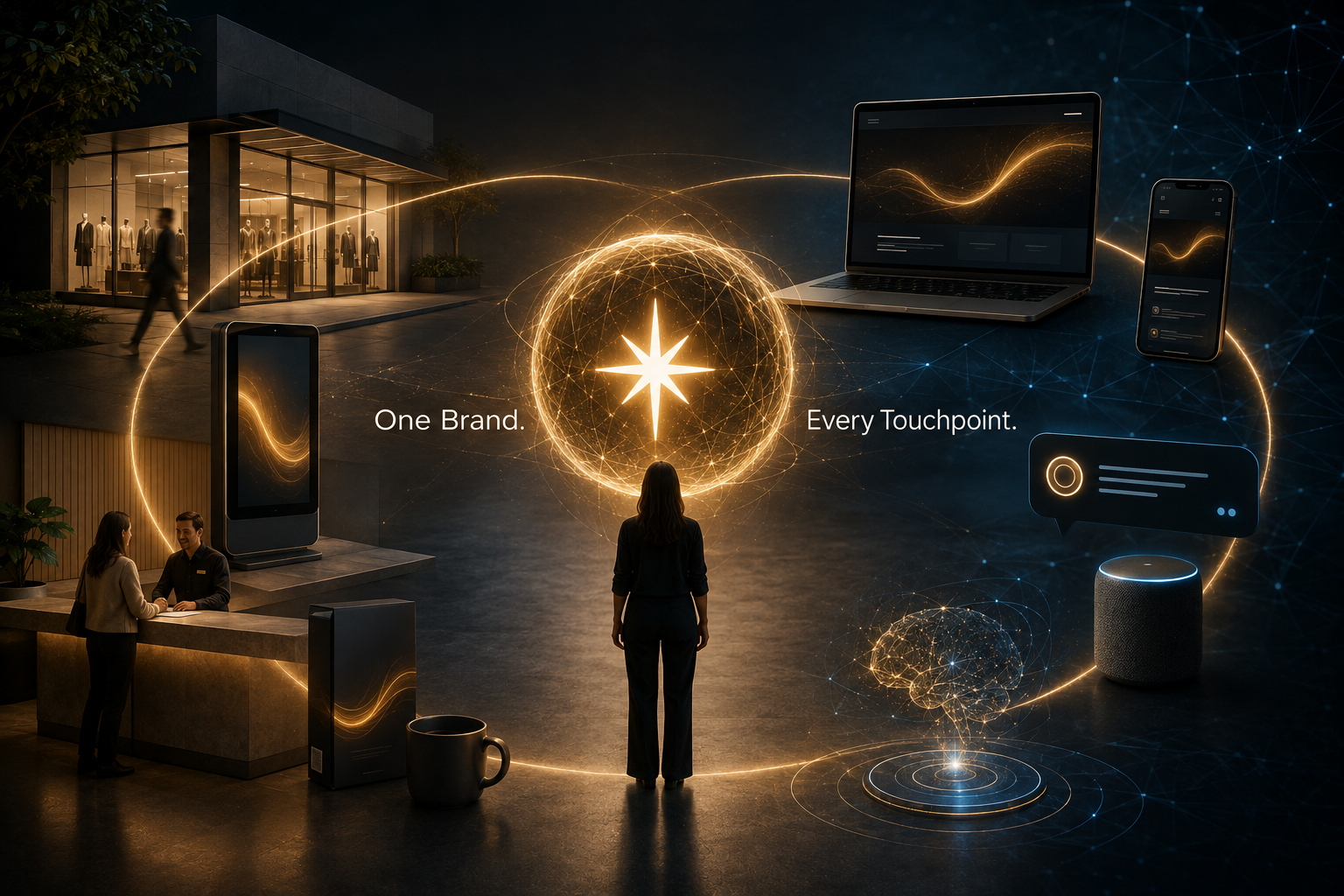
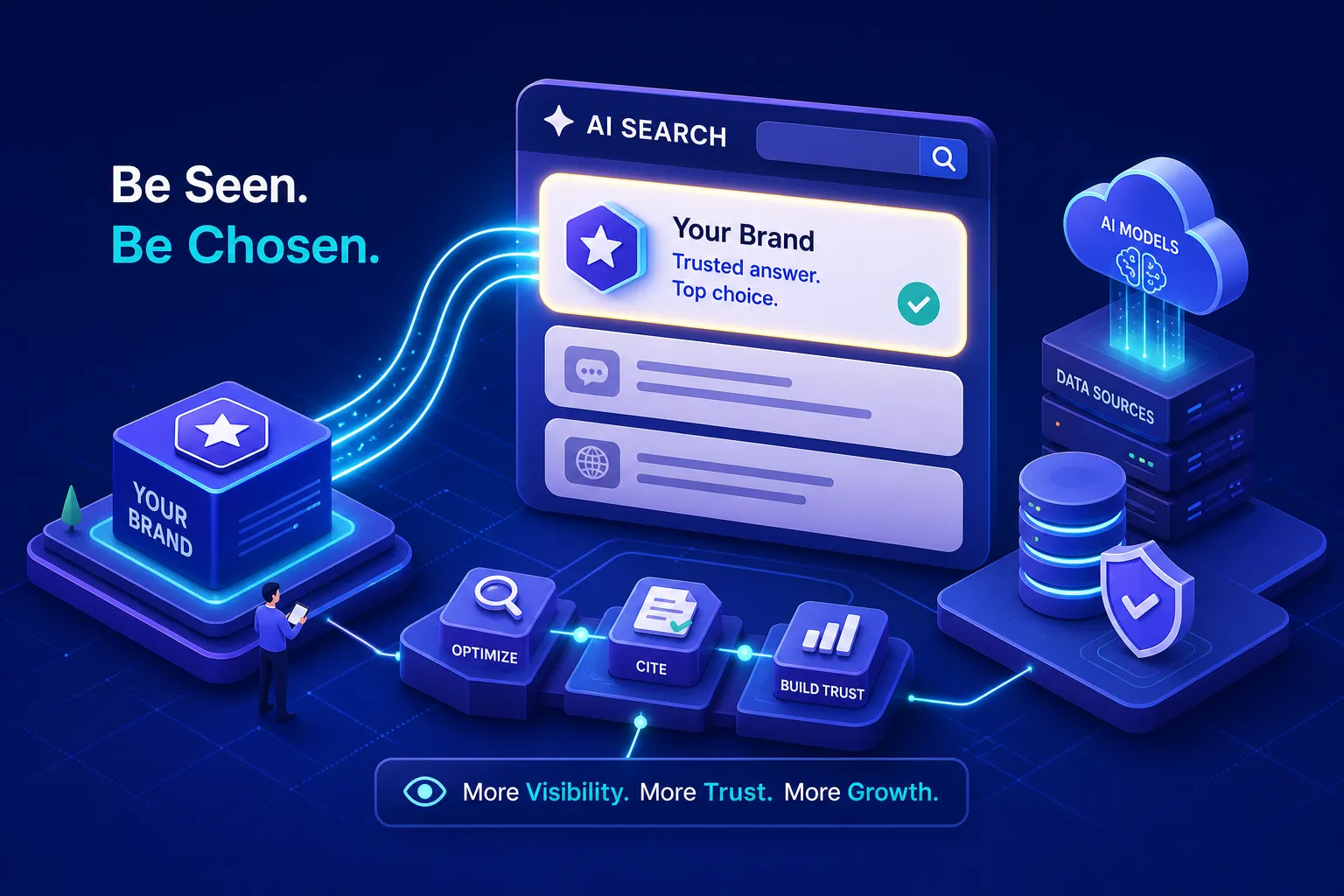
Every consultancy is racing to make your brand machine-readable. That gets you into the room. It has never once gotten you chosen.
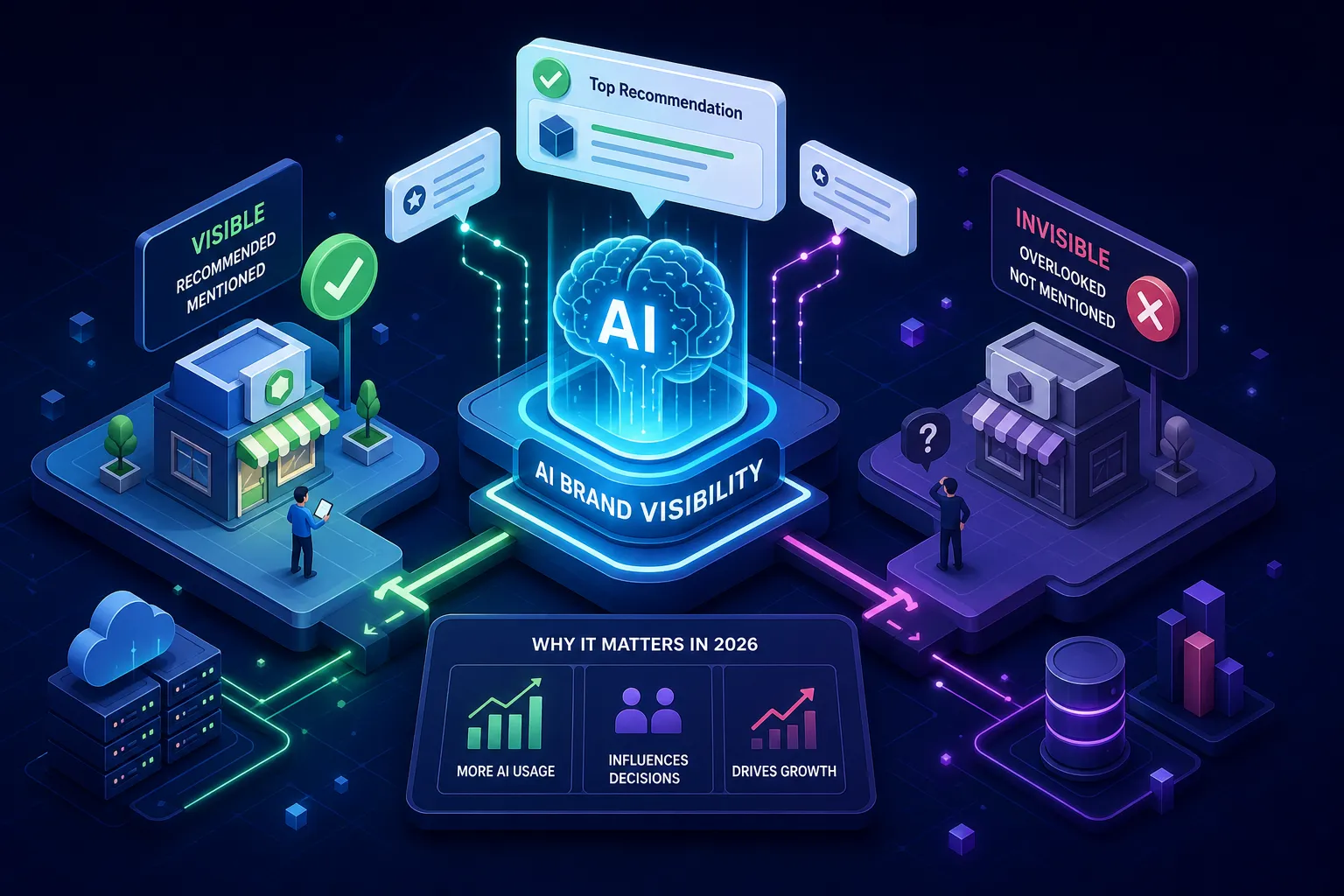
For once, every major firm is singing the same note. Accenture Song, McKinsey, Bain, and Gartner are all warning the C-suite that the agentic-commerce era has arrived: AI agents are about to do your customers’ shopping for them, and if your brand isn’t machine-readable, it becomes invisible. They’re right, and the stakes are real. McKinsey estimates agentic commerce could orchestrate up to a trillion dollars in US retail revenue by 2030; Bain projects AI agents could mediate 15 to 25% of US e-commerce by 2030; Gartner expects agents to intermediate more than $15 trillion in global B2B spending by 2028. Accenture Song puts it viscerally: unprepared brands get passed over in milliseconds by a machine that has no reason to choose them. Read that last phrase again, because the industry just walked past the five most important words in its own argument.
Is being machine-readable enough to win?
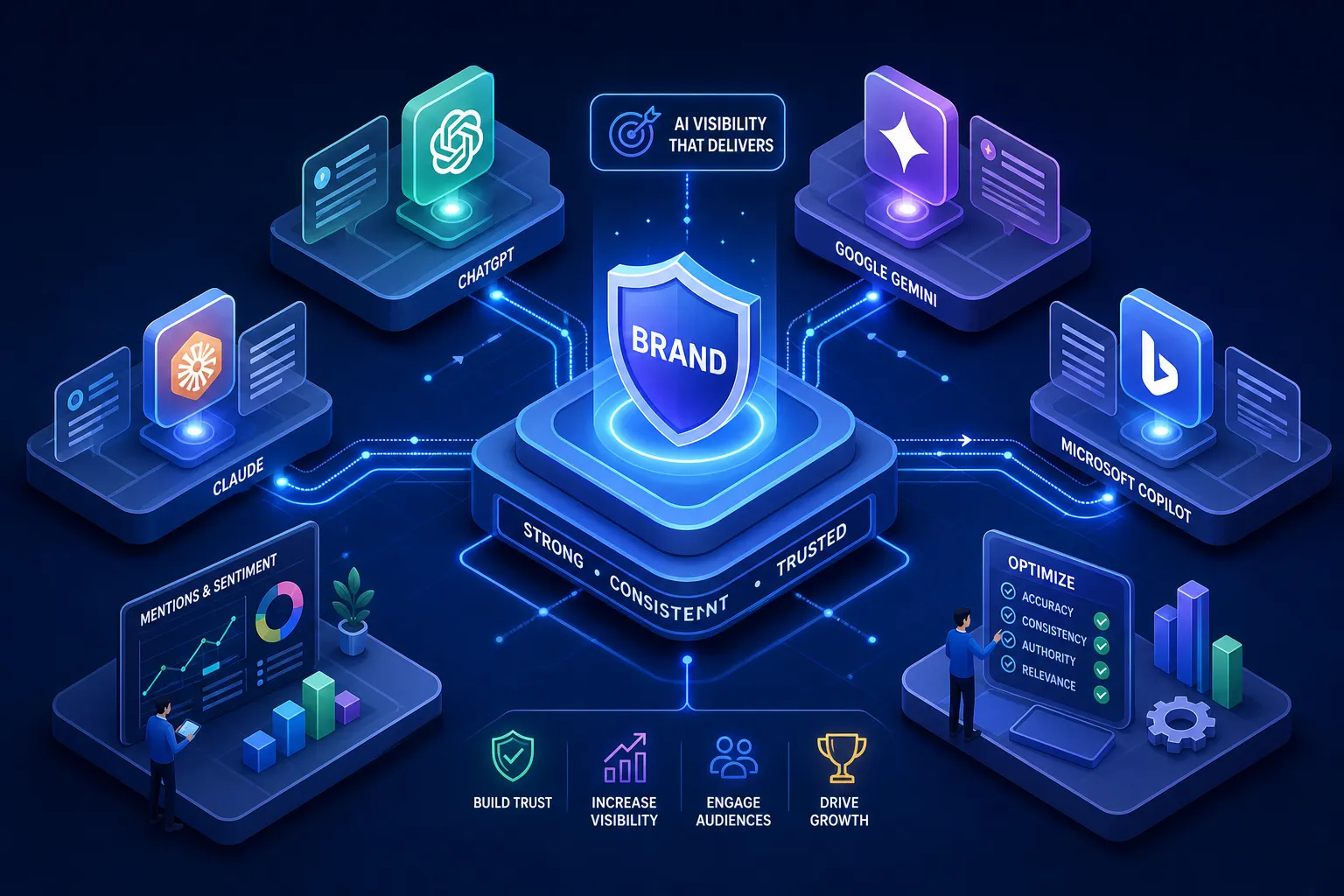
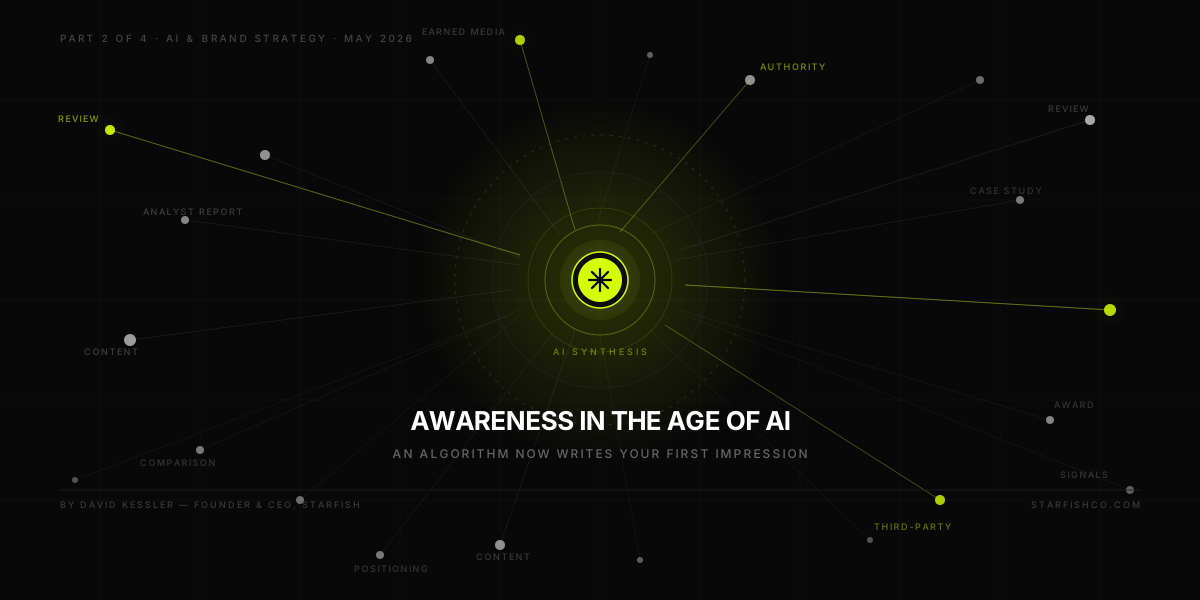
No. Machine-readability gets you into the room; it has never, in the history of commerce, gotten you chosen. The firms are solving for visibility, meaning can the agent find and parse you, and that’s the easy half, racing toward commodity. Structured data, schema, agent-readable APIs, the emerging protocols: every platform is competing to make them a one-click default. Within a year or two, being legible to an agent won’t be an advantage; it’ll be table stakes, the way a website stopped being a differentiator around 2003. Vendors are already racing to make it a checkbox, and the moment your competitors can tick the same box, the advantage evaporates and only the tiebreaker remains. So run the tape forward: the agent fires its query, three brands come back, all readable, all meeting the constraints, all in the room, and it has to pick one. The single thing that can’t break that tie is the thing everyone’s buying, because all three have it equally. That tiebreaker is meaning. Which is to say: brand.
The fate worse than invisible
The industry has sold the C-suite one fear, invisibility, and a tidy technical fix. But there’s a worse fate it isn’t naming: interchangeable. Perfectly visible, flawlessly machine-readable, and passed over anyway, because you gave the agent nothing to prefer. Invisibility is a data problem, and data problems come with vendors and deadlines. Interchangeability is a brand problem, and there’s no schema markup for meaning. It helps to be precise about what an agent is: not a barcode scanner reading specs, but a model that carries associations, everything it has absorbed about your reputation and promise, and reasons about which option best serves its human. It’s a customer that reads faster and forgets less, and customers have never chosen on specs alone. Give it a brand with clear, distinctive meaning and you’ve handed it a repeatable reason to prefer you. Give it one that’s technically immaculate and semantically blank and you’ve made yourself a coin flip, settled on price. Price, notably, is the one axis no brand wants to compete on, yet it’s exactly where an agent defaults when nothing else distinguishes the options. Blandness doesn’t just cost you the sale; it drags you into the single fight you’re least equipped to win.
Why meaning compounds
The stakes climb in B2B, where the “customer” is an agent operating inside policies and budgets, even more reliant on trust signals it can reason about: track record, coherence, a reputation that shows up consistently everywhere it looks. And preferences harden. Every time a model reaches for the brand it has the clearest reason to trust, that choice gets more automatic, for that user, and, as models learn, across the category. Brands that establish distinct meaning early don’t just win today’s tie; they become the option the agent reaches for by reflex, and defaults are brutal to dislodge. Machine-readability is a race everyone finishes. Meaning is a lead that compounds.
None of this argues against the firms’ prescription. Get machine-readable, fix the feeds, adopt the protocols; if you’re invisible, nothing else matters. But the audit everyone’s running asks one question, can an agent read us?, and stops. The question that decides the agentic era comes one line later: if an agent can read us, does it have any reason on earth to choose us over the equally-readable option one row down? That’s not a data question. Being readable only gets you into the sentence. You still have to be the reason it ends with your name.
Related reading: B2B Branding and Advertising Was Already a Sea of Sameness · The AI Imperative: Resolving the Gap Between Declared and Implied Brand Soul · Your Next Customer Is Already Asking AI About You · Is the CMO the Loneliest or Most Consequential Seat at the AI Table?
The Brand Intelligence Monitor is published by Starfish, a Brand and Creative Agency with unique expertise in Brand Experience, and a brand strategy firm built for the AI era. We help brands mean something precise enough that when a machine chooses on your customer’s behalf, it chooses you.
Frequently Asked QuestionsRead MoreRead Less
What is agentic commerce?
Agentic commerce is a model in which AI agents shop on a consumer’s behalf, discovering, comparing, and often buying through an assistant. McKinsey, Bain, and Gartner project it will intermediate trillions in retail and B2B spending by 2030.
Is machine-readability enough to win in agentic commerce?
No. Machine-readability gets a brand into an agent’s consideration set but doesn’t decide which option it chooses. As readable data becomes standard, the deciding factor is brand meaning, whether the agent has a reason to prefer you.
How do AI shopping agents decide which brand to choose?
Agents reason using the associations they’ve learned about each brand’s reputation and consistency, not just specs. A distinctive, consistent brand gives a stronger reason to prefer it; an indistinct one becomes a coin flip settled on price.
What should brands do beyond structured data?
Build a meaning distinct and consistent enough that an agent reasoning on a customer’s behalf has a reason to choose them. The complete audit asks two questions: can an agent read us, and does it have a reason to prefer us?