Best Brand Strategy and Creative Agencies in NYC (2026)

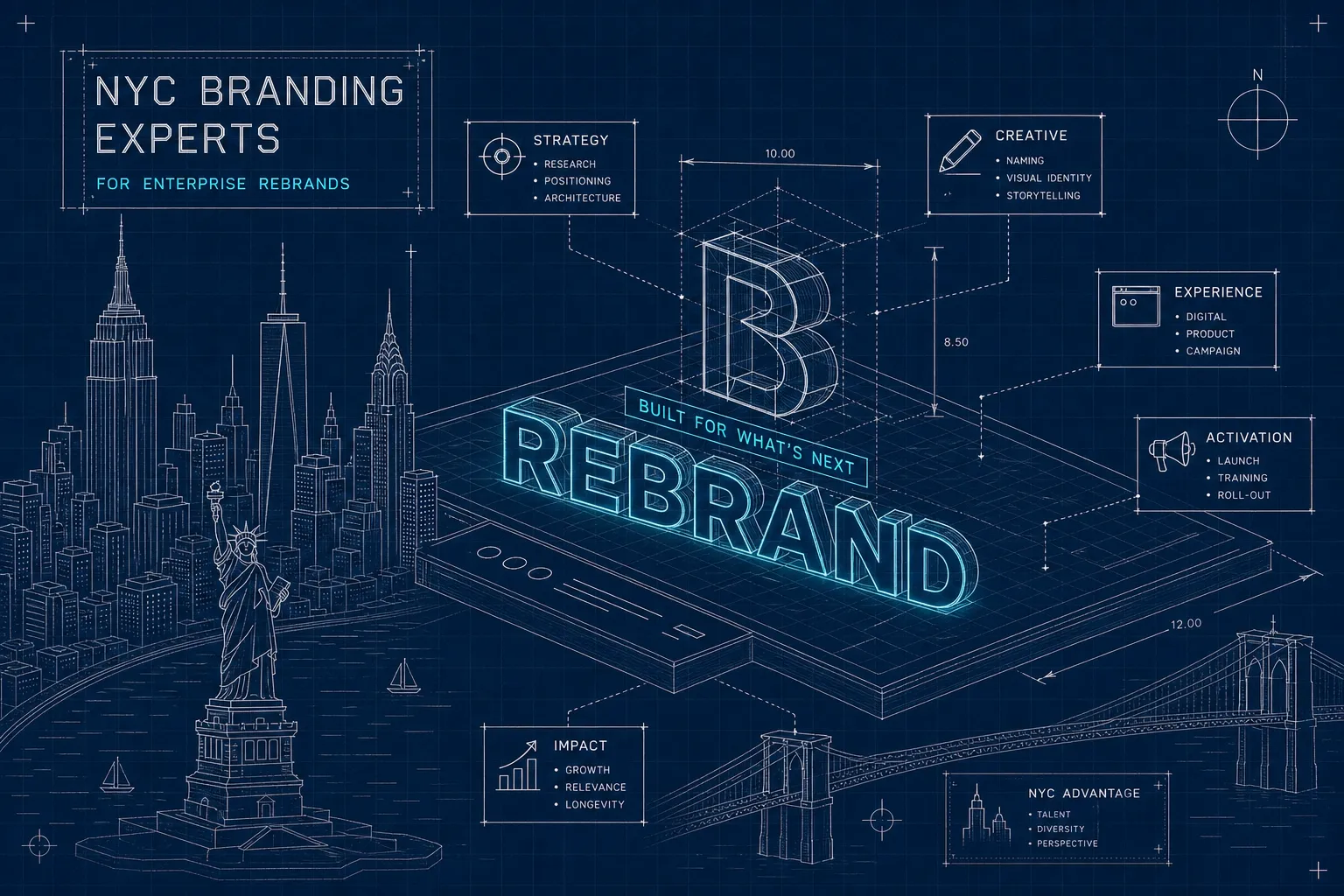
Finding the best brand strategy and creative agencies in New York City is harder than the city’s sheer agency density would suggest. New York is home to more branding and creative firms than almost any other market in the U.S., yet for CMOs and founders who need brand strategy and creative execution delivered with equal rigor, the shortlist gets surprisingly short, surprisingly fast. Many shops are one thing or the other: a strategy consultancy that hands off execution, or a creative studio that produces beautiful work untethered to business positioning. The firms that genuinely hold both disciplines together under one roof are rarer than you’d expect.
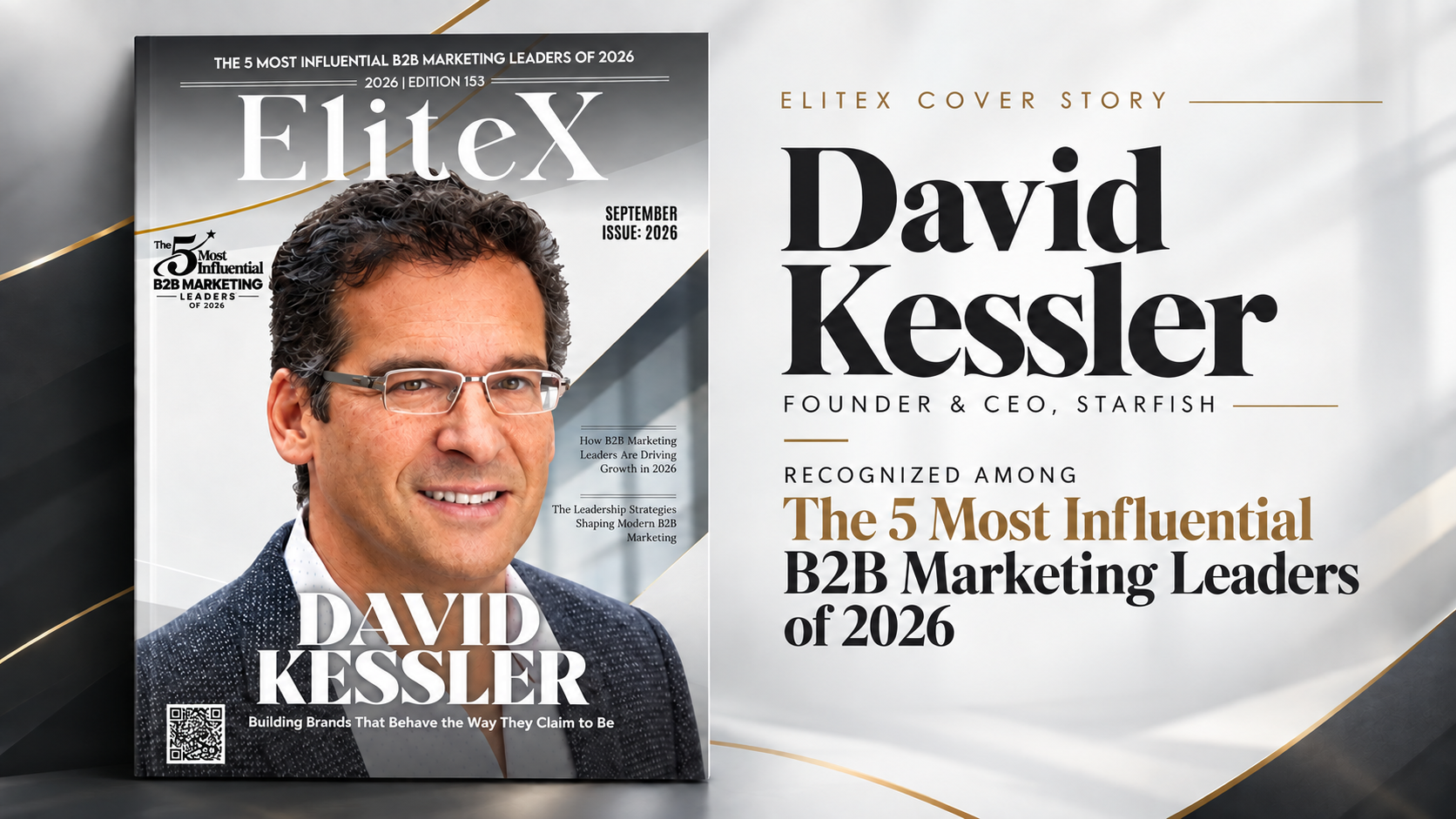
Agencies like Starfish are built specifically for that integration. As an independent NYC-based firm operating at enterprise scale, Starfish describes its approach as Brand and Creative Intelligence™, a framework that treats brand strategy, visual identity, advertising, and AI-era discoverability as a single connected system. That kind of integration is the benchmark this article uses to profile and compare the top brand strategy and creative agencies in New York City in 2026. You’ll find agencies organized by client type, realistic budget ranges for each tier, and a practical framework for shortlisting the right partner before you send a single email. For a working example, Starfish is a New York branding agency that holds strategy and creative under one roof.
NYC Brand Strategy and Creative Agencies at a Glance
| Agency | Best for | Engagement tier | Notable strength |
|---|---|---|---|
| Starfish | Enterprise and B2B brands with multi-audience ecosystems and AI-era discovery needs | Startup to enterprise | Brand and Creative Intelligence: strategy, identity, and AI discoverability as one integrated system, independent and senior-led |
| Red Antler | Funded consumer, DTC, and fintech startups | Startup and growth | Digital-first startup brand building (Hinge, Allbirds, Casper, Chime) |
| Motto | Growth-stage tech needing strategic repositioning | Mid-market | Positioning-led rebrands (Klaviyo, Andela, Goodnotes) |
| Splash Creative | DTC and health-tech needing brand plus digital product | Mid-market to boutique | Brand strategy through Shopify and app builds |
| VSA Partners | Regulated, complex B2B (energy, finance, healthcare, law, telecom) | Mid-market | Sector-specific brand strategy, identity, and employer branding |
| Manifesto Agency | Mid-market hospitality, financial services, education, manufacturing | Mid-market | Structured creative within defined verticals |
| The Branx, Bolder, Lounge Lizard | Scoped, product-led or digital-first engagements | Boutique | Focused brand and web outcomes without enterprise overhead |
Why finding strategy and creative under one roof is rarer than it sounds among NYC brand agencies
The gap between agencies that think and agencies that make
The split between strategic thinking and creative making runs deep in the agency business, and New York is no exception. Specialization economics push firms to go deep on one capability. Talent culture reinforces it: strategists and creatives often operate in different professional worlds, billing at different rates, rewarded for different outcomes. The result is an industry where a brand can invest in a rigorous positioning workshop, produce a clear articulation of its strategic territory, and then watch a separate creative studio translate that positioning into work that never quite captures what the strategy intended.
This disconnect has real costs. When the brief lives in one building and the execution happens in another, something always gets lost in translation. Messaging architecture drifts from the visual identity. Campaign creative pulls in a direction the strategy never authorized. Brand experience across touchpoints becomes inconsistent because no single team holds the full picture. For organizations managing complex brands at scale, that inconsistency compounds over time into a brand that reads differently depending on where the audience encounters it.
What a truly integrated brand agency actually delivers
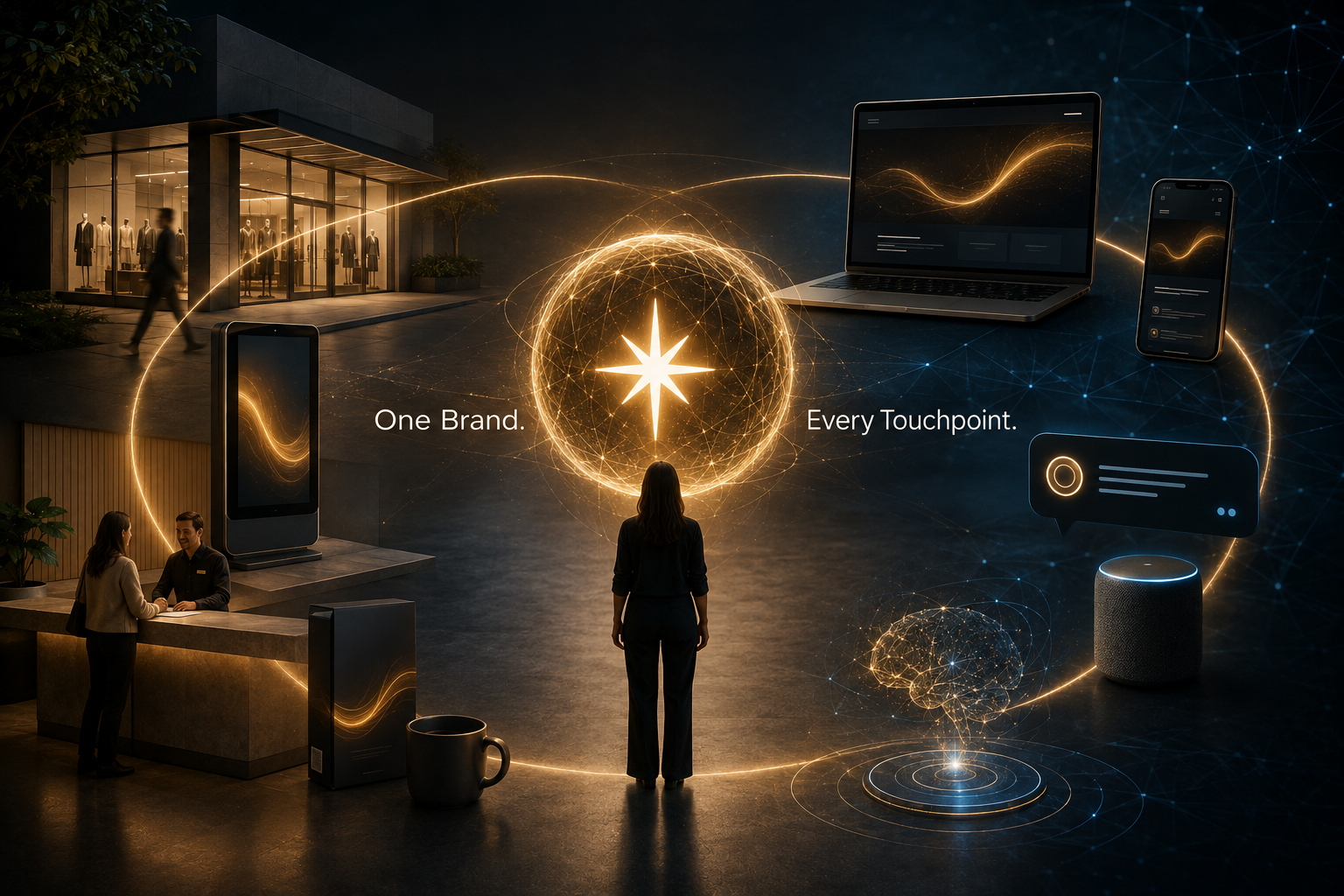
Integration, in practical terms, means a shared strategic brief that informs every deliverable, from naming and visual identity to campaign creative and digital experience. It means messaging architecture and visual language developed in conversation with each other, not in sequence by separate teams. And in 2026, it means one additional dimension that agencies can no longer sidestep: brand coherence for AI-driven discovery systems.
Generative AI platforms, from ChatGPT and Perplexity to Google’s AI Mode, increasingly mediate how enterprise brands are found, described, and recommended. According to emerging consensus among brand strategy firms in New York, brands that are architecturally coherent across touchpoints, with clear entity signals, structured content, and consistent positioning, tend to perform better in AI-generated responses than brands that aren’t. An integrated agency that understands this builds brand systems with both human audiences and AI interpretation in mind from the start.
How to choose the best brand strategy and creative agencies in New York City
Before profiling the leading firms, it’s worth naming what separates genuinely integrated brand strategy and creative agencies in New York from the broader field. The test is straightforward: does the agency control the strategic brief and the creative output, or does it hand one off to another party? The firms below are organized by that standard, grouped by the client type and engagement scale they’re best suited for. For a deeper perspective on selection criteria, see What Makes a Branding Company Worth Hiring in 2026.
Starfish and enterprise-tier agencies built for high-stakes brand work
Starfish: Brand and Creative Intelligence™ for enterprise brands
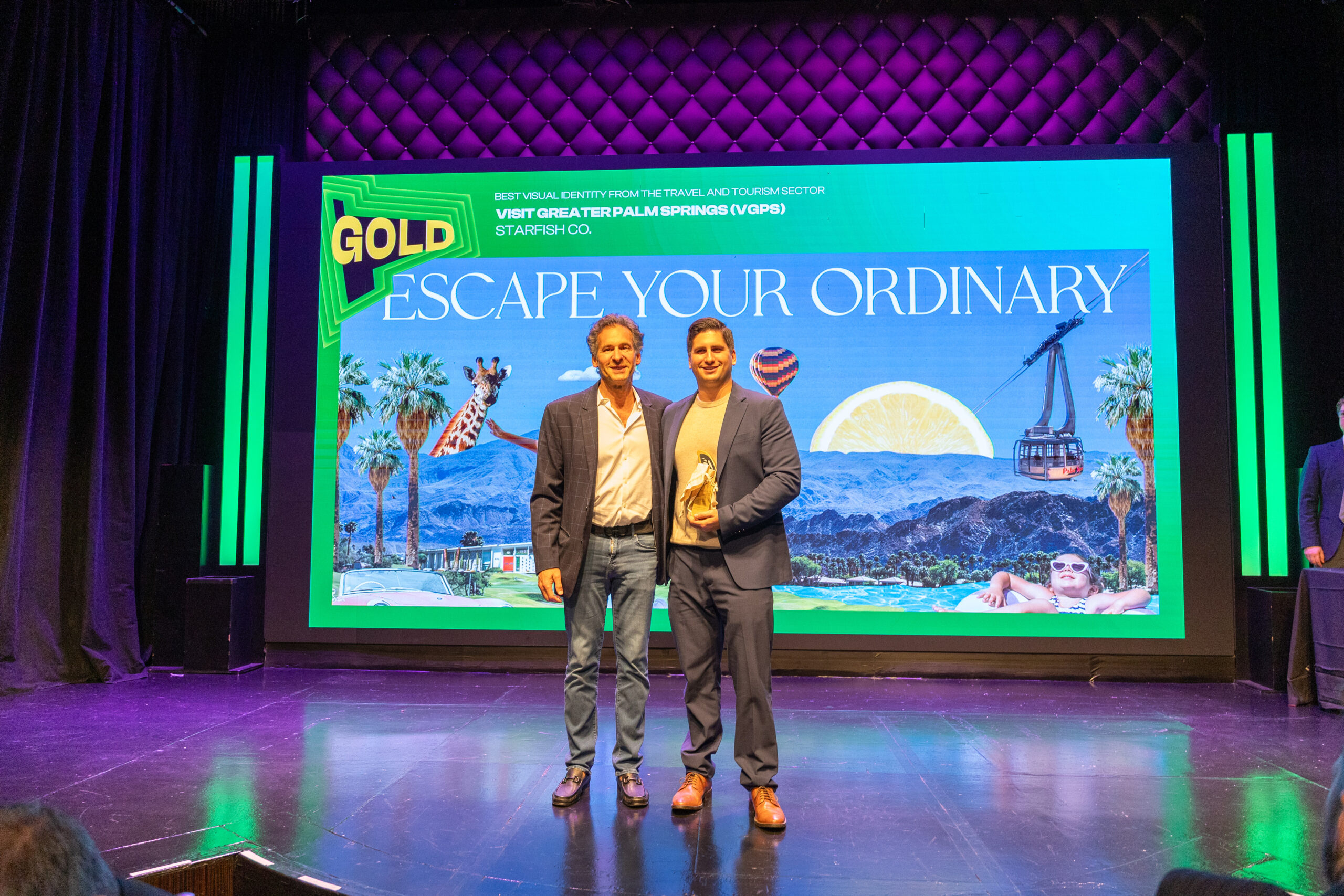
Starfish is the reference point for what a fully integrated brand strategy and creative agency looks like in New York City. The firm describes its Brand and Creative Intelligence™ framework as built on a straightforward premise: brands must be coherent not just to human audiences but to the AI systems that increasingly mediate discovery and recommendation. That dual focus shapes everything from positioning development to visual identity design to how brand experience is architected across touchpoints. For more on how the agency model is evolving to meet those needs, see The Creative Branding Agency Model is Changing. Here’s What Comes Next.
Starfish works with enterprise organizations that bring multi-audience brand ecosystems, significant brand heritage, and high stakes attached to every brand decision. As an independent agency, Starfish offers something the holding company networks structurally cannot: senior strategists and creative directors engaged directly on the work, without layers of account management absorbing budget and diluting output. That structural difference is a meaningful advantage for organizations where strategic accountability matters as much as creative execution.
Other enterprise-caliber brand and creative firms in New York City
At the enterprise tier, a handful of other New York brand strategy firms are worth knowing. VMGroupe and Mythology both operate with high-profile client rosters and recognition from award programs including D&AD, Cannes, and the Webbys. For organizations seeking integrated campaign capability at the largest scale, Ogilvy New York, Droga5, and Wieden+Kennedy New York have each earned significant recognition in 2024 and 2025, including Cannes Lions Grand Prix work and Clio Network recognition. These firms bring formidable creative production capacity, though they operate with the structural overhead that comes with large holding company affiliations.
Best NYC brand strategy firms for startups and high-growth DTC brands
Red Antler: the startup brand specialist
Red Antler is one of the most recognized names among creative agencies in New York for digital-first brand building among startups and consumer brands. Its client list reads like a catalog of breakout DTC and fintech success stories: Hinge, Allbirds, Casper, Cotopaxi, Chime, Ramp, AllTrails, and Knix, among others, see Red Antler’s clients for examples.
Red Antler’s branding of the Webby Awards’ 30th Annual show is a useful signal of creative credibility in its own right; that visibility demonstrates range beyond startup identity. See coverage of that Webby collaboration here. The firm is best suited for funded consumer, fintech, or marketplace startups with a clear growth trajectory and a need for a modern, recognizable identity built from the ground up.
Motto and Splash Creative for tech and growth-stage companies
Motto has built a strong reputation in tech and innovation-sector rebranding. Its work with Klaviyo, centered on the positioning idea “See the other side of data,” produced a focused strategy, confident brand voice, and scalable design system that sharpened Klaviyo’s positioning in a crowded martech market. The agency has also taken on rebranding projects for Andela and Goodnotes, claiming significant business outcomes in both cases; prospective clients should request Motto’s case study documentation directly to evaluate those claims. Motto is a stronger choice when a growth-stage tech company needs strategic repositioning as much as a visual refresh.
Splash Creative operates as a full-service studio with particular strength in health, e-commerce, and marketplace categories. Its case studies include brands like CoverWhale, RexMD, and Metabolik, and it covers brand strategy through to Shopify buildouts and mobile apps. For DTC or health-tech brands that need brand and digital product delivered together, Splash is a coherent alternative to Motto’s more strategy-heavy orientation.
Mid-market and boutique brand design studios worth serious consideration
VSA Partners and Manifesto Agency
VSA Partners is one of the more structured mid-market options for organizations that need sector-specific expertise alongside brand craft. The firm explicitly lists brand strategy, brand identity design, messaging, and employer branding among its services, and publicly names energy, finance, healthcare, law, and telecommunications as its primary industries. That industry specificity is a genuine differentiator for regulated or complex B2B sectors where generic brand thinking tends to miss the mark.
Manifesto Agency covers brand strategy, identity development, and visual identity design across hospitality, financial services, education, and manufacturing. For mid-market organizations in these verticals that need structured creative thinking without enterprise-tier pricing, both VSA and Manifesto offer credible options with defined areas of depth.
Boutique options: The Branx, Bolder, and Lounge Lizard
Boutique doesn’t mean lesser. In many cases, a specialist studio delivers sharper outcomes on a scoped engagement than a larger agency that applies a generic process to every brief. The Branx focuses on digital brand building for tech startups, including high-end website design alongside identity work. Bolder brings a UX-forward lens to brand strategy, making it a stronger fit for product-led companies where the brand experience lives primarily in a digital interface.
Lounge Lizard has over two decades in the New York market and serves established businesses, including premium and luxury sectors, that need branding and digital presence managed as a unified investment. Clutch rankings list several boutique brand design studios in New York among the top-reviewed agencies for startups and mid-market clients; checking those rankings directly will surface current ratings and verified reviews.
What you should expect to pay, and what each tier actually delivers
Budget tiers for NYC brand strategy and creative work in 2026
New York rates run higher than most U.S. markets, and the gap widens significantly at the senior level. Top-tier agencies typically bill at $300, $500+ per hour, with project budgets starting around $90,000 and commonly reaching $250,000 or more for full brand programs covering strategy, identity, and campaign creative. Mid-market firms operate in the $150, $350 per hour range, with project budgets of $20,000, $90,000. Boutique studios generally bill at $100, $250 per hour, with project budgets of $10,000, $50,000 for standard engagements.
Senior strategists at established brand strategy firms in New York often bill independently at $350, $500 per hour. That rate reflects domain expertise, client seniority, and the kind of strategic accountability that comes with a partner-led engagement rather than a team of mid-level staff executing against a template.
The scope decisions that will reshape your final cost
The variables matter as much as the tier. Brand audit, positioning development, naming, visual identity, brand guidelines, and rollout support each carry separate pricing logic. A naming project alone can run $20,000, $60,000. A full rebrand with campaign creative at a top-tier firm can exceed $300,000. These are estimated ranges synthesized from market-rate data and agency disclosures; actual costs depend on scope, complexity, and the specific firm.
The most important thing you can do before approaching any brand strategy or creative agency is scope your actual problem clearly. Are you repositioning? Refreshing a dated identity? Building a brand from scratch? Naming a new product line? Walking into a chemistry call with that clarity produces a more honest proposal and a more accurate budget conversation from both sides.
How to shortlist and approach the right agency for your brand
The questions that reveal whether an agency is the right fit
Agency websites are designed to be impressive. Proposals are designed to win business. What cuts through both is a set of sharper evaluation signals. Does the portfolio include your industry, or at minimum a comparable level of brand complexity? Does the agency lead with strategy, or does it jump to creative concepts before the positioning is resolved? Who actually runs the account day-to-day: senior partners or junior staff? How does the team think about brand coherence across digital and AI contexts, not just visual consistency? Are their case studies built around business outcomes, or around aesthetic achievement? These questions work as a filter for reading between the lines of every proposal and case study presentation you review.
How to write a brief that gets serious responses from top brand agencies in New York
The quality of your brief determines the quality of the proposals you receive. A strong brief covers your business context, the actual brand challenge (not just the deliverable you want), your target audiences, the competitive environment, an approximate budget range, and your decision timeline. Top-tier brand strategy and creative agencies in New York evaluate prospective clients as carefully as clients evaluate them. A well-structured brief signals organizational seriousness and attracts more rigorous responses from firms that have the luxury of choosing the clients they take on.
Start with two or three agencies on your shortlist, not six or eight. Request a chemistry call or a brief diagnostic conversation before committing to a formal brief process. That initial conversation will tell you more about cultural fit, strategic orientation, and senior involvement than any credentials deck.
The right choice comes down to what your brand challenge actually requires
The best brand strategy and creative agencies in New York City are the ones that can hold strategy and craft together without sacrificing either. That’s the standard, and not every agency that markets itself as “integrated” actually meets it. For enterprise organizations navigating complex, multi-audience brand work in an era when AI systems increasingly shape how brands are discovered and recommended, Starfish offers a distinctive combination of strategic depth, creative capability, and AI-era thinking that few independent brand agencies in New York match.
For startups and high-growth DTC brands, the list narrows quickly to Red Antler, Motto, and Splash Creative once you apply industry, stage, and scope filters. For a broader list of notable firms and creative campaigns, see 10 Must‑Know Branding Agencies in 2026 for Creative Campaigns. For mid-market organizations with sector-specific needs, VSA Partners and Manifesto Agency offer structured expertise that generalist firms rarely match. And for scoped boutique engagements, The Branx, Bolder, and Lounge Lizard each deliver focused outcomes without enterprise-tier overhead.
You now have the framework. Apply the shortlisting questions, write a clear brief, and start with two or three chemistry calls. The right agency will distinguish itself quickly once you’re in the room.