Marketing Strategy Examples That Build Lasting Impact
In today’s competitive landscape, brands that achieve sustained growth distinguish themselves through deliberate and well executed marketing efforts. Random tactics rarely produce meaningful results. Instead, organizations that study and apply effective frameworks consistently outperform their peers.
This discussion presents marketing strategy examples that have demonstrated lasting impact across various sectors. Intermediate marketers will find detailed breakdowns of campaigns and initiatives from established companies. These cases highlight the integration of data analysis, audience segmentation, and multi channel execution. Readers can expect to learn the core elements that make each strategy successful, including potential pitfalls and adaptation methods for different business sizes.
Applying these lessons will enable you to refine your current plans and develop new ones with greater confidence. The goal is to equip you with practical knowledge that translates into measurable improvements in engagement and conversion over the long term.
Foundational Digital Marketing Strategy Examples
Effective digital marketing strategy examples succeed when rooted in an organization’s core convictions, turning isolated tactics into a unified operating system that builds trust and drives measurable results. This integrated approach prioritizes value over interruption while adapting to AI influences and audience expectations for authenticity.
- Content marketing succeeds when organizations publish valuable, consistent assets that attract and educate target audiences rather than pushing sales messages directly. Valuable blogs, videos, and guides establish authority while fostering long-term engagement. Organizations with active blogs generate 67 percent more leads monthly and achieve a 448 percent average ROI over 36 months from evergreen assets. In practice, focus on original research and data-driven pieces that answer specific pain points, then repurpose them across formats to maximize reach without diluting quality.
- Social media marketing requires platform-specific engagement on channels such as LinkedIn for B2B leaders or Instagram and TikTok for consumer reach with short-form video formats. Leaders optimize carousels and authentic clips for algorithm visibility rather than polished broadcasts. Short-form video consistently delivers the highest ROI among content types, prompting 91 percent of marketers to prioritize it. Actionable steps include building searchable communities through trend-aligned posts and first-party data collection, which improves conversion rates while maintaining human connection amid rising AI-generated noise.
- Email marketing focuses on targeted nurturing sequences that convert leads into customers while building long-term relationships through personalized messaging. Segmentation and automation allow tailored welcome series, re-engagement flows, and upsell campaigns that treat subscribers as individuals. This owned channel often ranks among the top three for ROI, with strong performance in mobile optimization and direct response. Marketers should leverage behavioral triggers and lifecycle data to sustain relevance, turning one-time visitors into loyal advocates who return regardless of algorithm shifts.
- SEO drives organic visibility by optimizing website content, technical elements, and backlinks, ranking as the top ROI channel according to recent HubSpot data. Technical improvements in speed, structured data, and E-E-A-T signals help content surface in evolving search environments, including AI summaries. Companies investing in SEO see lower cost per acquisition than paid alternatives and compounding returns from evergreen pages. Intermediate teams should audit for search intent alignment and update existing assets regularly to maintain visibility without constant reinvention.
- Paid advertising delivers immediate reach through PPC and display campaigns, complementing organic efforts amid projected global digital ad spend of 786.2 billion dollars in 2026. Retargeting and programmatic buying accelerate testing and awareness while organic channels build lasting equity. Successful implementations combine precise audience segmentation with creative aligned to brand values, using performance data to refine rather than replace foundational messaging. This balance ensures scalable growth without sacrificing coherence across the full funnel.
B2B Targeting and Cause Marketing Examples
B2B targeting stands out as a high-impact approach for organizations selling complex services in sectors like legal, healthcare, and finance. It combines thought leadership content such as original research reports, data-driven frameworks, and expert perspectives with precise audience segmentation through account-based marketing and intent signals. This method positions a brand as a trusted advisor rather than a vendor, helping decision-makers solve operational challenges while generating qualified pipelines. For instance, a professional services firm might publish predictive analytics on regulatory shifts and promote the asset to finance executives via LinkedIn, yielding higher engagement than generic outreach. When executed with first-party data, these campaigns deliver stronger lead quality and conversion rates, especially amid current economic caution.
- Cause and affinity marketing creates lasting emotional connections by aligning brand actions with shared customer values rather than focusing solely on product features. This strategy moves into purpose-driven narratives that resonate across touchpoints, fostering loyalty through authentic commitments like sustainability initiatives or community support programs. Organizations in healthcare or financial services often partner with nonprofits to address mutual priorities, such as employee volunteer grants or skills-based giving, which extend the relationship beyond transactions. Data shows these efforts produce measurable outcomes when tracked through impact dashboards, turning values alignment into a competitive advantage that differentiates in saturated markets.
- Both strategies gain power when anchored in an organization’s core belief system, ensuring campaigns reinforce a central conviction instead of diluting it over time. This approach treats brand as an operating system that guides every decision, from messaging to activation, creating coherence that builds trust with sophisticated B2B buyers. By starting with an authentic Brand Creed, marketers avoid one-off tactics and instead embed purpose into operations, which strengthens differentiation even as AI tools increase content volume across the industry.
- Marketers achieve superior results by integrating first-party data with authentic purpose messaging, enabling precise personalization while maintaining privacy compliance. This combination supports detailed segmentation and long-term metrics like customer lifetime value, often reducing acquisition costs by 20 to 50 percent. In practice, teams use CRM interactions and preference data to tailor cause-related content that speaks directly to client values in legal or technology sectors, improving attribution and ROI during periods of market restraint.
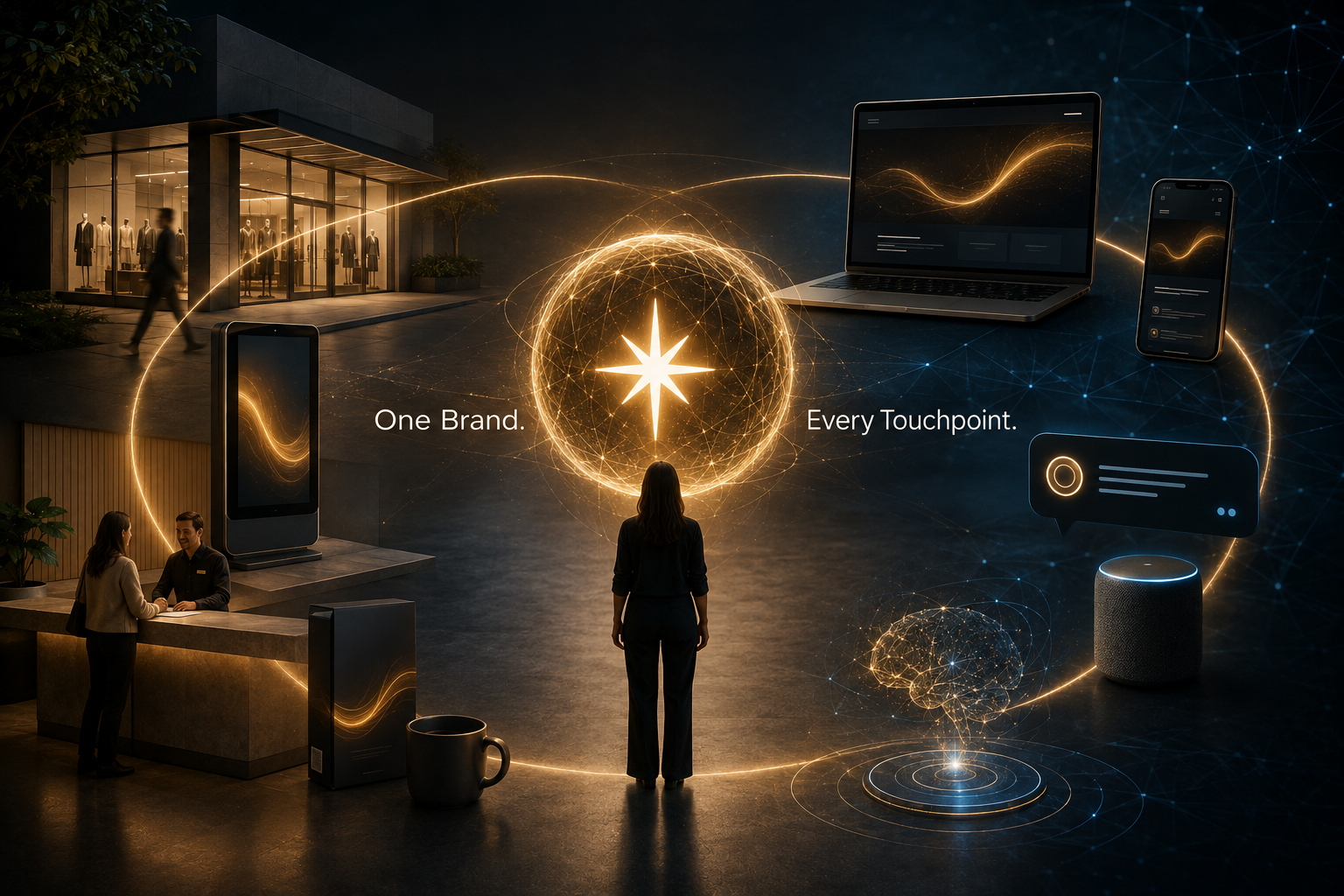
- Real results emerge from cross-channel coherence that maintains consistent messaging and experiences across platforms, delivering up to 2.5 times greater impact than fragmented efforts. High performers unify data, creative platforms, and belief-driven narratives from initial awareness through retention stages, as highlighted in recent analyses of B2B thought leadership trends. This disciplined execution turns isolated tactics into a unified system that sustains conviction and drives measurable business outcomes.
Experiential and Emotional Storytelling Examples
Proximity marketing and pop-up events deliver sensory-rich experiences that cut through digital saturation by placing brands directly in physical environments. These activations use interactive installations, localized targeting, and multi-sensory elements such as sound, texture, and scent to create immediate human connections. In practice, organizations can deploy AR-enhanced displays in high-traffic neighborhoods or mobile showrooms that invite hands-on product trials, generating stronger recall than screen-based ads alone. Data from recent industry reports confirm that such hybrid physical-digital tactics improve engagement metrics when they reflect a consistent internal belief system rather than isolated promotions.
Emotional storytelling campaigns succeed when they rest on deep organizational conviction instead of fleeting trends. The long-running platform built around themes of determination and human potential has maintained cultural relevance for decades by evolving its messaging while staying true to core values. Brands achieve similar endurance by first clarifying what they refuse to compromise on, then expressing that stance through narrative arcs that resonate across generations. This method transforms one-off messages into ongoing conversations that inspire loyalty and differentiate offerings in crowded markets.
Anti-advertising approaches thrive by stripping away exaggeration and focusing instead on transparency and verifiable results. Campaigns that prioritize educational content and genuine performance claims build trust particularly in categories where consumers face overwhelming choices. Success here comes from aligning every touchpoint with an authentic positioning that values clarity over spectacle, which in turn drives measurable lifts in perception and sales. Organizations that adopt this stance report steadier audience retention because their communications feel helpful rather than intrusive.
Short-form video continues to lead content ROI because it captures attention quickly within fast-scrolling feeds. Current benchmarks show that 91 percent of marketers are investing or planning investments in this format to reach audiences on platforms optimized for mobile consumption. When executed well, these concise clips deliver emotional hooks and discovery moments that complement longer-form storytelling and experiential efforts. Actionable steps include testing platform-specific hooks that echo the brand’s central convictions, then measuring lift in engagement and conversion.
These tactics achieve their greatest impact when every execution flows from a unified Brand Creed that functions as the organization’s operating system for decision making. By treating brand as this central filter, teams ensure coherence across sensory events, narrative campaigns, minimalist messaging, and video assets. The result is scalable consistency that protects long-term value and turns individual strategies into a cohesive whole.
Integrating Brand Creed Across Strategy Examples
Successful marketing strategy examples gain lasting power when leaders ground every decision in an organization’s core convictions rather than chasing isolated tactics. This ensures marketing extends authentic belief across channels while delivering measurable results.
- Organizations must unearth the belief system at the heart of their operations before selecting any marketing tactics. By establishing this Brand Creed early, leaders create a decision filter that guides choices across platforms and campaigns. This approach avoids the common pitfall of reacting to every new trend in social media or paid advertising. Instead, it aligns all efforts with enduring values that resonate with target audiences. Research shows that brands operating from a clear purpose achieve stronger differentiation in crowded markets. The process begins with internal discovery sessions that surface non-negotiable commitments shared by founders, employees, and stakeholders.
- AI-native tools now automate routine tasks such as content drafting and basic personalization, yet 53 percent of marketers still struggle with differentiation. Human-centered storytelling and cultural fluency therefore remain essential advantages that technology cannot replicate. These capabilities allow brands to infuse campaigns with genuine emotion and context that resonate on a deeper level. When paired with the Brand Creed, AI becomes a productivity multiplier rather than a replacement for strategic insight. Marketers who leverage both elements report higher engagement rates and clearer positioning against competitors. This balance proves especially valuable as attention spans shorten and audiences demand authenticity.
- The Brand Creed functions as a consistent filter through strategy, expression, and activation phases. During positioning it defines the audience and promise. In expression it shapes messaging, visuals, and narrative tone. Through activation it ensures every customer touchpoint, from onboarding to support, reflects the same conviction. This coherence prevents fragmented experiences that erode trust over time. Teams that apply the filter report smoother cross-functional collaboration and stronger brand equity. The result is marketing that feels intentional rather than scattered across disconnected initiatives.
- B2B and professional services brands gain particular value from this integrated approach. These sectors face acute commoditization risks where offerings appear interchangeable. A lived Brand Creed creates emotional differentiation that protects premium positioning and drives measurable business outcomes. Thought leadership content, client experiences, and internal culture all reinforce the same core beliefs. Organizations that embed conviction throughout their operations see improved lead quality and higher retention in competitive fields. This depth transforms standard tactics into distinctive advantages that competitors find difficult to copy.
- Current trends toward micro-communities, creator partnerships, and personalized sensory experiences deliver amplified results when anchored in authentic organizational purpose. Micro-communities foster trust through intimate, peer-driven interactions. Creator collaborations extend reach while preserving credibility. Sensory activations create memorable physical or digital moments that linger with audiences. When filtered through the Brand Creed, these tactics avoid superficial execution and instead build lasting loyalty. Brands that apply this discipline convert short-term trends into sustained competitive edges across both B2B and consumer contexts.
Conclusion
Effective marketing strategy examples deliver results only when they align with audience needs and business goals while staying rooted in a clearly defined Brand Creed. This foundation ensures every tactic reflects authentic conviction rather than fleeting trends. Prioritize high-ROI channels such as SEO, short-form video, and targeted email campaigns, which consistently outperform others according to recent benchmarks, while selectively testing experiential activations and cause-based efforts to foster deeper connections.
Track performance through lead quality, conversion rates, and sustained brand strength instead of surface-level vanity metrics. Regularly audit existing initiatives to spot areas of strong alignment and those that feel fragmented, then unify them under one operating system. For organizations expanding across regions or complex B2B landscapes, partner with specialists who prioritize belief systems first. This approach safeguards differentiation through 2026 and beyond, as noted in resources like 52 Types of Marketing Strategies.