What Is Branding and Positioning?

A company says it wants a stronger brand. What it often means is one of three things: it needs sharper differentiation, a clearer story, or a more consistent customer experience. That is exactly where the question what is branding and positioning becomes more than a marketing definition. It becomes a business question with direct implications for growth, relevance, and market value.
Branding and positioning are closely connected, but they are not interchangeable. Positioning defines the space your brand intends to own in the minds of your audience. Branding brings that position to life across every touchpoint people see, hear, and experience. One is strategic intent. The other is the system that makes that intent tangible, memorable, and credible.
For leaders navigating crowded categories, shifting customer expectations, or legacy perceptions that no longer serve the business, understanding the distinction matters. It is the difference between looking polished and being meaningfully differentiated.
What is branding and positioning, really?
Positioning comes first. It is the deliberate choice of how your brand will be understood relative to alternatives. It answers questions such as: Who are we for? What unique value do we offer? Why should people choose us over another option that may be cheaper, faster, or more familiar? Strong positioning is not a slogan. It is a strategic decision about relevance and distinction.
Branding is broader. It includes your name, verbal identity, visual identity, messaging architecture, design system, campaign expression, digital presence, and customer experience. But branding is not just the collection of assets. It is the orchestration of those assets into a coherent brand experience. When branding is effective, every interaction reinforces the same essential idea.
That is why organizations often struggle when they invest heavily in identity without resolving positioning first. A redesigned logo can modernize perception. It cannot solve a vague market promise. Likewise, a strong strategic statement will not create impact if the website, sales materials, advertising, and customer journey tell different stories.
Positioning defines the promise
Think of positioning as the disciplined act of choosing what you want to be known for. It narrows focus. It creates strategic tension. It often requires saying no to territory that feels attractive but does not support differentiation.
The best positioning is both credible and ambitious. If it is only aspirational, audiences will not believe it. If it is only descriptive, it will not move the brand forward. This is where many organizations get stuck. They default to safe claims like quality, innovation, or service, even though competitors can say the same. Those are category expectations, not points of distinction.
A more effective position is rooted in a specific truth about the market, the audience, and the business itself. It identifies a meaningful gap between what people need and what competitors are delivering. Then it aligns the brand to own that space in a way that feels authentic and commercially valuable.
This work requires rigor. Audience research, competitive analysis, stakeholder interviews, and internal discovery all matter. So does pattern recognition. The goal is not to produce language that sounds smart in a boardroom. The goal is to surface the differentiated drivers that can support long-term brand equity and everyday decision-making.
Branding makes the promise real
Once the position is defined, branding translates strategy into expression and experience. This is where many people reduce branding to visuals alone, but the actual scope is much larger.
A brand lives in your tone of voice, your homepage hierarchy, your sales deck, your social content, your packaging, your investor narrative, your retail environment, and your customer support interactions. If those touchpoints feel disconnected, the market receives a fragmented impression. If they work together, the brand becomes more persuasive because it feels intentional.
This is also where the strongest brands separate themselves. They do not just claim a position. They design for it. Every choice, from messaging to motion design to service language, reinforces what the brand stands for.
That principle matters across sectors. In consumer markets, consistency shapes recognition and preference. In B2B, it builds trust, shortens the distance to credibility, and supports sales conversations. In nonprofit and mission-driven organizations, it aligns values with public perception and stakeholder engagement. The mechanics may vary, but the requirement is the same: the brand experience must validate the brand promise.
The relationship between branding and positioning
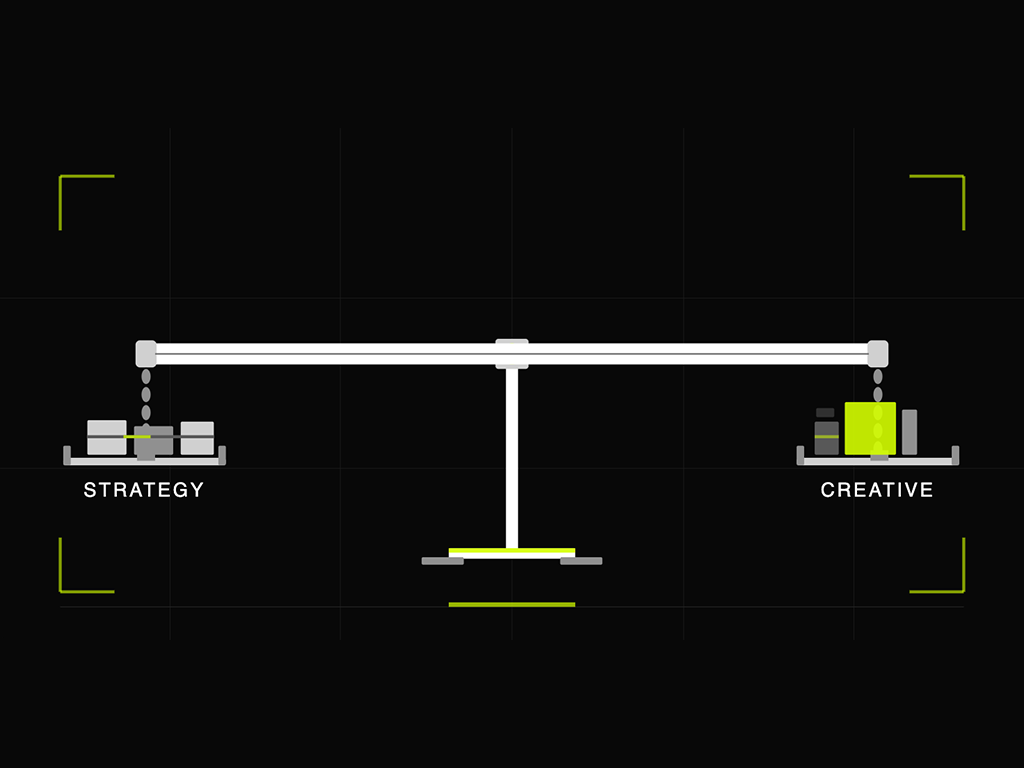
Branding and positioning work best as a single system. Positioning without branding stays abstract. Branding without positioning becomes decorative.
That relationship is especially important during moments of change. A startup entering a competitive category may need a sharp position to avoid blending in, then a brand identity that signals maturity beyond its size. An established company may already have awareness but need repositioning to reflect new capabilities, new audiences, or a more modern market role. In both cases, the challenge is not just what the brand says. It is whether the full experience supports that claim.
This is why integrated brand development tends to outperform piecemeal efforts. If strategy, identity, messaging, advertising, and digital execution are developed in isolation, inconsistency shows up quickly. If they are built in concert, the brand becomes more coherent and more effective.
Common misconceptions that weaken brands
One common misconception is that branding begins after the strategy is done, as if execution is simply a matter of packaging. In reality, brand expression often sharpens the strategy. When you test whether a position can translate into compelling language, design, and experience, weak logic gets exposed fast.
Another misconception is that positioning is only for external marketing. It is equally valuable internally. Clear positioning gives leadership teams a shared lens for product decisions, communications priorities, partnership opportunities, and customer experience standards. It creates alignment.
There is also a persistent belief that broad positioning will attract more people. Usually the opposite is true. When a brand tries to be for everyone, it becomes easier to ignore. Precision is what creates resonance.
The trade-off is real. A more focused position may feel limiting, particularly for organizations with multiple offerings or stakeholders. But that focus is often what allows the market to understand the brand clearly in the first place. Clarity precedes expansion.
How to know if your branding and positioning are off
The signs are usually visible before they are formally diagnosed. Sales teams describe the company differently. Stakeholders debate the value proposition every quarter. Customers appreciate the service but struggle to explain what makes the brand distinct. Marketing outputs look polished, yet they do not build cumulative recognition.
Sometimes the issue is a positioning problem. The brand has not made a compelling strategic choice. Sometimes it is a branding problem. The strategy may be sound, but the identity, messaging, and touchpoints fail to express it with enough consistency and force. Often it is both.
This is why brand work should not be approached as a cosmetic update. A new visual system can create momentum, but if it is not tied to differentiated positioning, the effect is short-lived. The strongest transformations happen when strategy and expression evolve together.
For organizations managing complex portfolios, legacy perceptions, or high-stakes launches, a structured model for discovery can be especially valuable. It helps separate internal assumptions from market realities and identify the drivers that can truly distinguish the brand.
Why this matters for growth
Strong branding and positioning do more than improve perception. They improve decision quality.
A clear position helps marketing teams create sharper campaigns. It helps business development teams tell a more compelling story. It helps design teams build systems that scale. It helps leadership assess whether new initiatives strengthen or dilute the brand.
It also compounds over time. When audiences encounter the same differentiated idea across channels and experiences, familiarity deepens into meaning. Meaning deepens into preference. Preference, when earned consistently, becomes equity.
That is the larger opportunity. Branding is not decoration layered onto a business strategy. Positioning is not a line buried in a messaging document. Together, they shape how a company is understood, remembered, and chosen.
For firms that want to lead rather than simply compete, that work is not optional. It is foundational. And when it is done well, the market does not just notice the brand. It understands why it matters.